
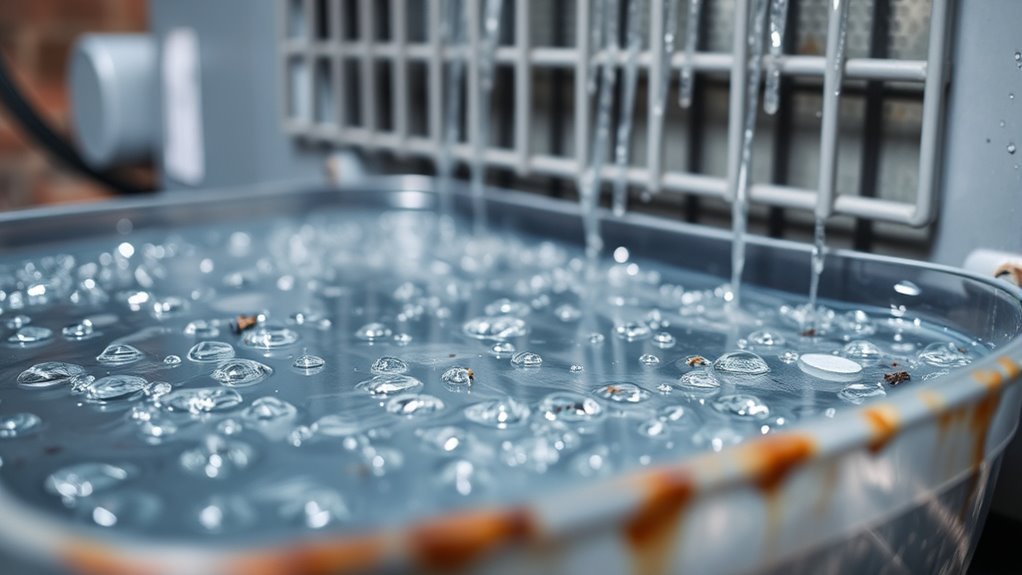
Why Is My AC Drain Pan Full of Water?
Your AC drain pan fills with water due to common issues like clogged drain lines, dirty air filters, frozen evaporator coils, or a faulty condensate pump. These problems prevent proper drainage, causing water to accumulate in the pan.
When the drain line is blocked or the evaporator coils freeze, the water backs up and spills over the pan. This overflow can lead to water damage and promote mold growth, which can affect indoor air quality.
Regular maintenance and promptly clearing any clogs are essential to keep your AC system draining properly.
Keep reading to learn how to address these issues and protect your system from further damage.
Why Your AC Drain Pan Is Full : And What It Means
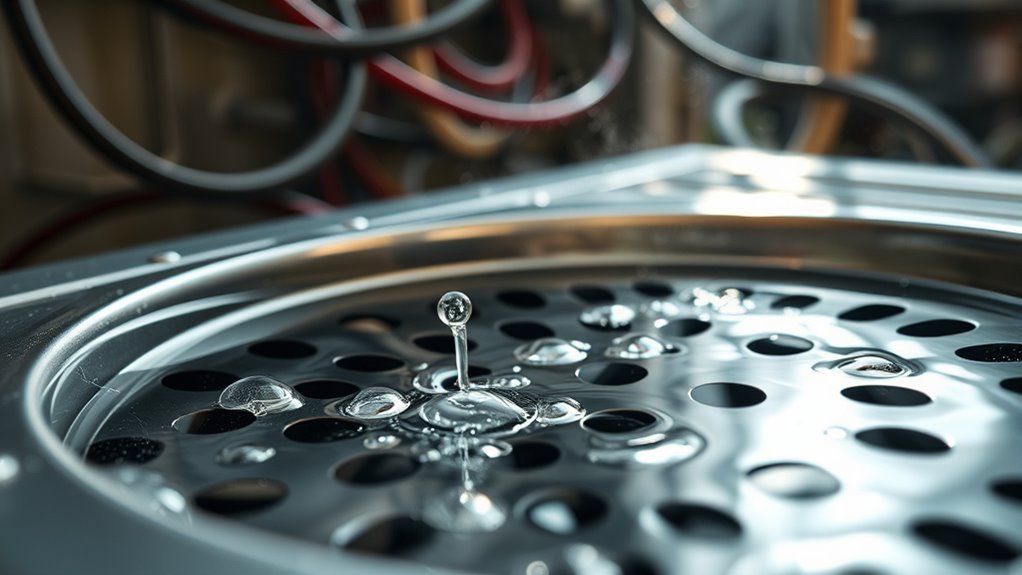
If your AC drain pan is full, it usually means the condensate drain line is clogged and water can’t escape. When the clogged drain line blocks water flow, the drain pan starts overflowing, causing water pooling beneath your system. You might also notice this if the condensate line is frozen or if your drip pan is damaged or improperly installed, preventing proper drainage.
System leaks or a malfunctioning condensate pump can worsen the issue by allowing continuous water buildup. Regular maintenance is essential to keep the drain pan and condensate line clear of debris and prevent overflow.
Ignoring these signs can lead to water damage and costly repairs, so addressing a full drain pan promptly keeps your AC running smoothly and your home dry.
How Clogged Drain Lines Cause AC Drain Pan Overflow
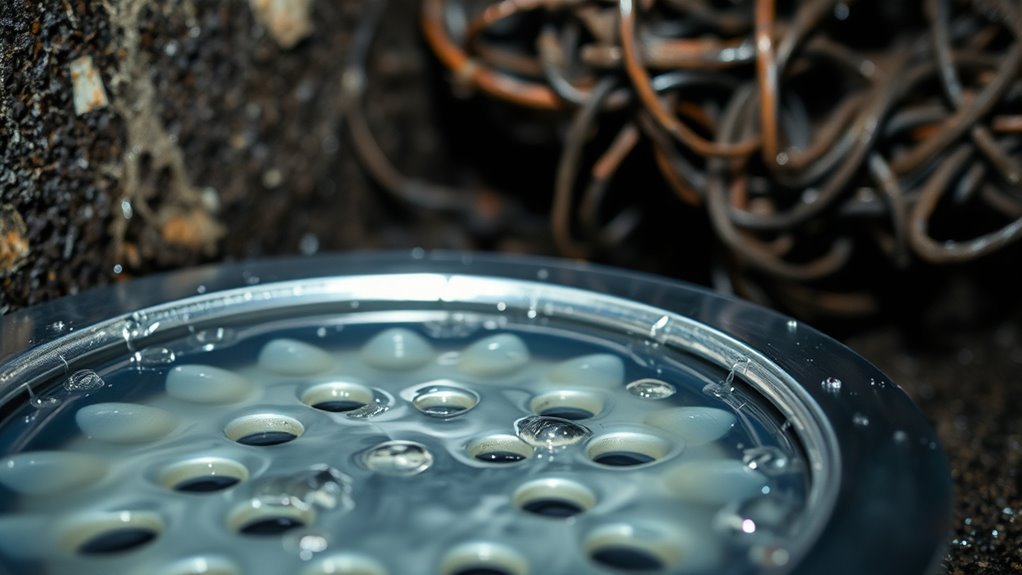
When your AC drain line gets clogged, water can’t flow out as it should, causing it to back up into the drain pan. This clogged drain line often results from algae buildup, mold, dirt, and other debris accumulating inside the drain pipe over time.
As the drain line blockage worsens, condensate can’t exit properly, leading to a water backup that causes the drain pan overflow. If left unaddressed, this overflow may cause significant water damage to your home.
To prevent drain pan overflow, you need to regularly inspect and clear the clog. Using a wet/dry vacuum or flushing the line with vinegar effectively removes blockages, restoring proper drainage and ensuring your AC system functions smoothly without water issues.
Why Dirty Air Filters Cause AC Drain Pan Overflow
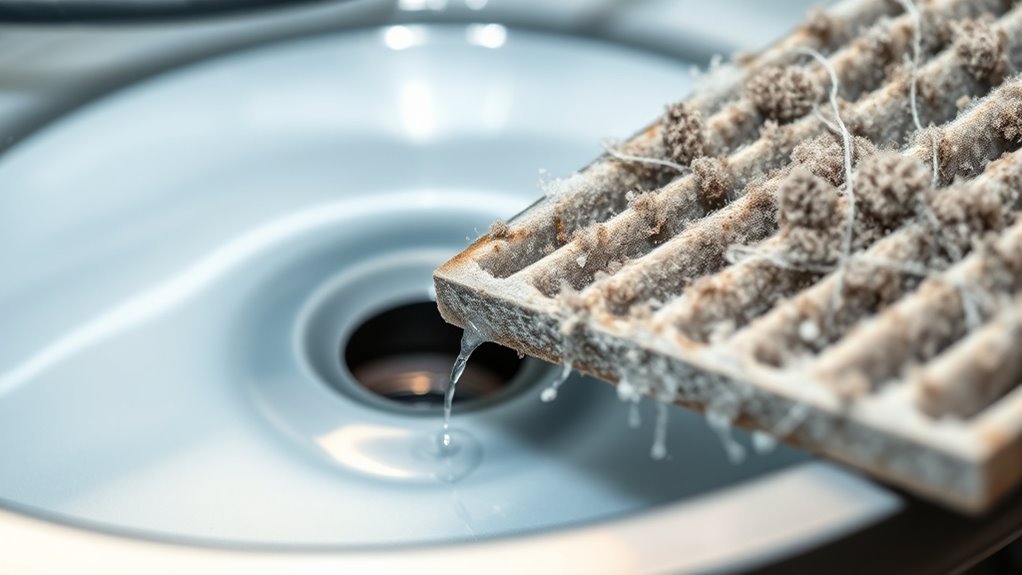
When your air filter gets dirty, it blocks airflow and causes the evaporator coil to freeze up. As the ice melts, extra water drips into the drain pan, raising the risk of overflow.
You can prevent this by regularly replacing the filter to keep airflow smooth and avoid moisture buildup.
Filter Blockage Effects
Because dirty air filters restrict airflow across the evaporator coil, you may notice the coil freezing up. A clogged filter causes significant airflow restriction, which lowers the coil’s temperature and leads to evaporator coil freeze.
When the ice melts, it produces excess water that your drain pan might not handle, resulting in drain pan overflow. Additionally, restricted airflow increases condensation buildup, raising indoor humidity and worsening the overflow problem.
This not only floods your drain pan but also reduces system efficiency, causing your AC to work harder and use more energy. Staying on top of air filter maintenance by regularly cleaning or replacing filters prevents clogged filters, ensures proper airflow, stops coil freezing, and helps keep your drain pan dry and your system running smoothly.
Airflow Restriction Consequences
Dirty air filters substantially restrict airflow over your AC’s evaporator coil, causing it to cool too much and freeze. This airflow restriction prevents proper humidify, making the evaporator coil prone to coil freezing. When the frozen coil melts, it produces excess water that your drain pan can’t handle, leading to drain pan overflow.
Dirty air filters not only cause the coil to freeze but also reduce your system’s ability to remove humidity effectively, increasing moisture buildup. This combination results in more condensate than usual, overwhelming the drain pan.
To avoid these issues, regularly replacing or cleaning your air filters guarantees sufficient airflow, prevents coil freezing, and stops excess water from flooding your drain pan. Keeping filters clean is key to maintaining efficient cooling and preventing water damage.
How Frozen Coils Cause AC Drain Pan Overflow
If your evaporator coils freeze, the melting ice can quickly overwhelm the AC drain pan. Frozen coils happen when restricted airflow—often from dirty filters or blocked vents—causes coil freezing by dropping coil temperature below freezing.
As the ice melts, the resulting melting ice produces a sudden surge of water that your drain pan may struggle to handle. If the drain pan is improperly sloped or the drain line is clogged, water drainage slows, triggering drain pan overflow.
This overflow signals that your system can’t manage the excess water from coil freezing. Addressing restricted airflow and ensuring an unobstructed drain line can prevent frozen coils and the resulting drain pan overflow, keeping your AC running smoothly without water issues.
How a Faulty Condensate Pump Causes Drain Pan Overflow
If you notice water pooling around your AC or hear strange noises from the pump, your condensate pump might be failing. This failure keeps water from draining properly, causing the pan to overflow.
You’ll need a professional to inspect and repair the pump to avoid further damage.
Signs Of Pump Failure
When your condensate pump’s motor or float switch malfunctions, it won’t activate properly, causing water to build up and overflow from the drain pan. You might notice water pooling near your indoor unit or hear unusual humming or clicking noises from the pump. This water accumulation signals a malfunction that can lead to drain pan overflow if left unchecked.
A faulty float switch can prevent the pump from turning on, resulting in system failure and triggering safety features that cause system shutdowns to avoid damage. Recognizing these signs early helps you avoid costly repairs and water damage.
Regularly inspecting and testing your condensate pump and float switch can catch these issues before water pooling becomes a problem.
Repairing Condensate Pump Issues
Since a faulty condensate pump can’t properly eject water from the drain pan, you’ll often see water pooling and risking overflow. This usually happens when the pump’s float switch or motor malfunctions, causing a system malfunction that stops water removal. When the float switch fails to activate, water buildup occurs, leading to a drainage issue and potential water damage.
To prevent water overflow, regularly inspect and test the condensate pump and its float switch. If you detect any malfunction, prompt repair or replacement is essential. Fixing the condensate pump restores proper drainage, ensuring your drain pan stays dry and your AC system operates smoothly without water buildup or overflow.
Don’t ignore these signs to avoid costly damage.
How to Safely Clear and Empty Your AC’s Full Drain Pan
Although dealing with a full AC drain pan can seem intimidating, you can safely clear and empty it by following a few careful steps. First, turn off your air conditioner to avoid electrical hazards. Then, remove the standing water from the pan full of water using a sponge or wet/dry vacuum.
Next, check for a clogged drain line—use a pipe cleaner, vacuum, or vinegar flush to clear the drain. Inspect the AC drain pan for cracks or damage that could worsen drip pan overflow. Fix or replace the pan if needed.
Once everything is clear, restart your system and monitor for proper drainage. Taking these steps helps prevent water pooling around your unit and protects your home from costly water damage caused by a full AC drip pan overflow.
Preventive Maintenance Tips to Avoid AC Drain Pan Overflow
Clearing and emptying your AC drain pan is only part of keeping your system running smoothly. To prevent future overflow, you need regular maintenance. Start by inspecting and cleaning the clogged drain line every 6 to 12 months using vinegar or a pipe cleaner.
Replace or clean air filters every 1 to 3 months to ensure proper airflow and avoid coil freezing, which can lead to a drain pan full of water. Make sure your condensate pan is installed with a slight tilt for effective drainage. Installing a float switch helps protect your AC system by shutting it off if the overflowing drip pan fills up.
Finally, schedule annual professional checkups to clean and evaluate the entire drainage system and catch issues before your AC drain pan overflows.
When to Call a Professional for Drain Pan Problems
If your AC drain pan keeps overflowing even after you’ve cleared clogs, it’s time to call a professional. Persistent overflowing A/C issues often signal deeper problems, such as a malfunctioning condensate pump or damaged drainage components.
When you notice a drain pan full of water accompanied by unusual noises, foul odors, or system shutdowns, don’t hesitate to call a professional. Multiple DIY attempts might miss underlying faults, so professional HVAC technicians can provide accurate diagnosis and effective repair.
Early intervention through expert maintenance prevents recurring overflow and protects your property from water damage. Trusting professionals ensures your system runs smoothly, avoiding costly breakdowns and preserving your AC’s efficiency.
Frequently Asked Questions
What Do You Do When Your AC Drip Pan Is Full?
Turn off your AC, remove the water from the drip pan, and check for clogs in the drain line. Clean or replace filters, then monitor.
If it still overflows, call an HVAC technician for help.
Why Is My AC Drain Pan Filling With Water?
Your AC drain pan fills with water because the drain line might be clogged, the evaporator coil could be freezing and thawing, or your drain pan isn’t positioned properly.
Also, a faulty pump or dirty filters can cause this issue.
Why Is There so Much Water in My AC Drip Pan?
You’re seeing so much water because clogged drain lines cause 50% of AC drip pan overflows.
When water can’t drain properly, it pools in the pan, so you’ll want to clear any blockages quickly.
How to Fix a Clogged AC Drain Pan?
You can fix a clogged AC drain pan by cleaning the drain line with vinegar and water, using a wet/dry vacuum to remove debris, ensuring the drain pipe is properly tilted, and calling a professional if the clog persists.
Start by mixing vinegar and water to flush out any buildup in the drain line. Use a wet/dry vacuum to suck out any debris blocking the drain.
Make sure the drain pipe is tilted correctly to allow water to flow freely. If these steps don’t clear the clog, it’s best to call a professional for help.
Conclusion
Your AC drain pan overflowing is like a warning bell ringing—don’t ignore it. Clogged lines, dirty filters, frozen coils, or a faulty pump could be the silent culprits turning your cool comfort into a soggy mess.
By staying proactive with regular maintenance and quick fixes, you’ll keep the water where it belongs—draining away quietly. When in doubt, call a professional to restore harmony and keep your AC running smoothly, like a well-tuned symphony.
Regularly checking and cleaning your AC drain pan is essential to prevent water buildup. Addressing these issues promptly ensures your air conditioning system remains efficient and your home stays comfortable. Remember, a well-maintained AC drain pan keeps your unit functioning properly and avoids costly repairs.