
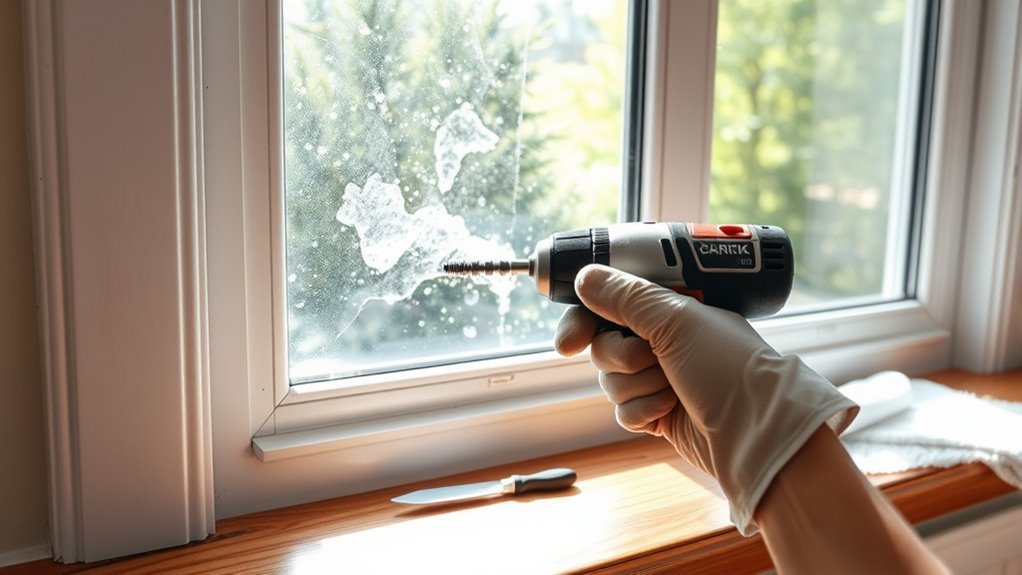
How to Fix Double Pane Window Condensation Step by Step
To fix double pane window condensation effectively, start by confirming a seal failure. Look for fog or moisture trapped between the glass panes, which indicates the insulating seal has broken.
Next, carefully remove the window sash using the appropriate tools and safety precautions. This step is crucial to avoid damaging the window frame or glass.
After removal, replace the failed insulating glass unit (IGU) with an exact match. Make sure the new unit is properly sealed to prevent moisture from entering and causing future condensation.
Avoid attempting DIY seal repairs, as they often fail and may even damage your window. Instead, learn how professionals handle IGU replacements and condensation prevention for lasting results.
How To Identify Condensation And Seal Failure On Double Pane Windows
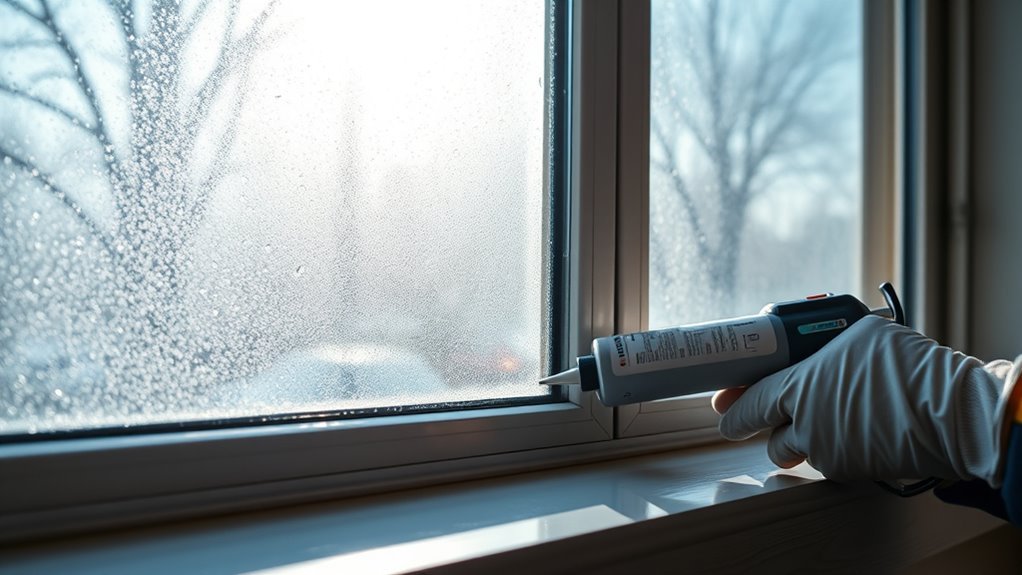
When you notice fogging or water droplets trapped between the panes of your double-pane window, it’s a clear sign the seal has failed. This seal failure allows moisture to enter the insulated space between the glass layers, causing condensation. You’ll spot visible fog or water droplets on the inside surface, often paired with a hazy appearance.
Seal failure usually results from aging, extreme temperature exposure, or physical damage. To confirm, inspect the window edges for cracks, warps, or other damage that might have compromised the seal or glass. Additionally, the insulating gas, such as argon, may escape through a broken seal, reducing insulation effectiveness.
Catching these signs early helps you address the problem before it worsens or affects your home’s energy efficiency.
Common Causes Of Moisture Between Double Pane Glass
Seal failure plays a central role in moisture buildup between double-pane glass. When the seal around your window weakens, moisture inside the panes can accumulate, causing condensation. This happens due to age, temperature changes, or poor installation.
Cracks or chips in the glass also compromise the seal integrity, letting moisture in. Additionally, excessive sun exposure causes the glass to expand and contract, further weakening the seal and inviting moisture inside. Understanding these causes helps you spot problems early and protect your window’s performance.
| Cause | Effect on Seal & Moisture |
|---|---|
| Age | Seal deteriorates, moisture penetrates |
| Temperature Fluctuations | Expansion weakens seal integrity |
| Improper Installation | Initial seal failure leads to moisture |
| Glass Damage | Cracks break seal, moisture enters |
| Sun Exposure | Repeated expansion contracts seal, moisture |
Repair Vs Replacement: When To Fix Or Replace Your Window
You’ll want to start by evaluating how severe the seal damage is on your double-pane window. Minor issues might seem worth repairing, but often replacement offers better long-term value and performance.
Comparing costs and potential benefits will help you decide if fixing or replacing is the smart choice.
Assessing Window Seal Damage
How can you tell if your double-pane window needs repair or a full replacement? Seal failure in the insulated glass unit (IGU) allows air and moisture to seep between the two panes of glass, causing condensation that won’t clear with cleaning.
Since the seal keeps the window panes airtight and energy efficient, once it’s broken, fixing moisture inside usually means replacing the entire IGU is the best option. Temporary seal repairs often fail, so window contractors typically recommend full replacement, especially for older glass units.
If your window is less than 10 years old and damage is minimal, you might explore repair options, but let us know your situation. Properly evaluating seal damage helps you decide whether to fix moisture issues or install new glass panes for lasting results.
Cost Effectiveness Comparison
Deciding whether to repair or replace your double pane window often hinges on the cost-effectiveness of each option. Repairing typically costs $100 to $300 per window, while full replacement ranges from $300 to $800 or more. If your double pane windows are under 10 years old and still under warranty, repairs might make sense.
But for older windows with seal degradation, replacement often proves smarter. Consider these points:
- Repair costs nearing 50% of replacement usually suggest buying new windows.
- Replacing the IGU (insulated glass unit) can be more affordable if the frame is intact.
- Long-term energy savings from new double pane windows often outweigh repeated repair expenses.
Weigh these factors carefully to make the best financial choice.
Risks Of DIY Seal Repairs On Double Pane Windows
When you try to fix double pane window seals yourself, you risk causing more damage by drilling or applying sealants incorrectly. Improper sealing can create weak spots that lead to cracks or allow moisture back inside, making the problem worse.
Without the right tools and experience, your DIY repair might not hold up and could even void your warranty.
Common DIY Repair Pitfalls
Although you might feel confident tackling double-pane window seal repairs yourself, DIY attempts often lead to more harm than good. Without the right tools and expertise, you risk damaging the glass or weakening the window’s structure. Many DIY fixes don’t fully stop moisture from entering, which means fogging and insulation issues persist.
Plus, using the wrong sealants or applying them poorly can create stress points that speed up seal failure.
Common pitfalls include:
- Drilling or injecting sealants incorrectly, causing cracks or structural damage
- Applying improper materials that don’t bond well or last long
- Lacking precision, resulting in temporary fixes that worsen over time
To avoid these issues, consider professional help for lasting results.
Risks Of Improper Sealing
If you rush into sealing your double-pane windows without the right materials and tools, you risk trapping moisture inside or causing uneven pressure on the glass. Improper sealing often means incomplete sealant application, which lets moisture seep in and leads to seal failure. Using low-quality or wrong sealants won’t hold up against temperature changes, speeding up deterioration and risking glass breakage.
Uneven sealant creates stress points, making cracks or shattering more likely when the glass expands or contracts. Without precise equipment, your DIY attempt probably won’t form a hermetic, durable seal, cutting short your window’s lifespan and performance. Plus, improper sealing can void warranties and pose safety hazards if the glass weakens or breaks unexpectedly.
It’s best to proceed cautiously or consult a pro.
How Pros Spot And Confirm Seal Failure
A professional spots seal failure by looking for signs like fogging or moisture trapped between the glass panes, which clearly shows the sealant has been compromised. You’ll want to inspect the window carefully for cloudiness or haze, indicating gas leakage inside the IGU.
Pros also use tools like moisture meters or infrared cameras to detect hidden humidity or temperature differences signaling seal issues. Visual checks around the window edges often reveal cracked or broken seals near the spacer or perimeter.
To confirm the problem, they may perform tests such as:
- Dye tests to trace moisture ingress
- Controlled pressure changes to observe seal integrity
- Infrared scans to detect temperature anomalies
Replacing The Insulated Glass Unit (IGU)
Once you’ve confirmed seal failure, the next step is replacing the insulated glass unit (IGU) to restore your window’s clarity and insulation. Start by carefully removing the window sash, then disassemble the existing unit to extract the damaged glass panel.
Make sure to obtain a replacement IGU that matches the original specifications—size, glass type, gas fill, and spacer material—from the manufacturer or a specialized supplier. When installing the new IGU, use proper sealing techniques and high-quality sealants to prevent future moisture issues.
Reinstall the unit into the sash, ensuring it’s aligned and securely fastened for ideal performance. Because this process can be delicate, it’s wise to seek professional help to protect your window’s structural integrity and insulation.
Removing And Reinstalling Window Sashes Safely
Though removing and reinstalling window sashes can seem tricky, you’ll find the process straightforward when you take it step-by-step and handle each component with care. Start by loosening screws or clips while supporting the sash’s weight to avoid damage. Use a putty knife or pry bar gently if the sash is sealed with weatherstripping or caulk.
Always wear gloves to protect your hands and prevent glass breakage.
Keep these tips in mind for safety and ease:
- Follow the manufacturer’s steps to remove stops, locks, or trim pieces.
- Handle glass panes gently to avoid cracks or injury.
- Align and secure the sash properly during reinstallation to ensure smooth operation.
This careful approach will help you safely manage your window sashes.
How To Prevent Future Condensation On Double Pane Windows
If you want to keep double pane window condensation from returning, you’ll need to control indoor humidity and maintain your windows properly. Use exhaust fans, open windows, and install dehumidifiers to manage moisture. Apply window films or low-emissivity coatings to reduce temperature differences on glass surfaces.
Regularly inspect seals and caulking, and clean drainage systems to prevent water buildup and seal failure.
| Prevention Method | Purpose | Frequency |
|---|---|---|
| Ventilation | Reduce indoor humidity | Daily or as needed |
| Dehumidifier | Maintain moisture levels | Continuous |
| Window Film/Coating | Minimize temperature differences | Once or as needed |
| Seal & Caulking Check | Prevent moisture intrusion | Monthly |
| Drainage Cleaning | Avoid water accumulation | Quarterly |
Finding Trusted Local Glass Repair Services
Managing indoor humidity and maintaining your windows can greatly reduce condensation, but sometimes professional help is necessary to address existing issues. When searching for trusted local glass repair services, start by using online directories like Yelp or Angie’s List to find highly-rated companies with customer feedback.
Contact well-established businesses such as Glass Doctor, known for reliable service nationwide. Always verify that the provider is licensed, insured, and experienced specifically with double-pane window repairs. To ensure quality and trustworthiness, ask for references or check local community groups for recommendations.
Remember to:
- Use online reviews and ratings for initial vetting
- Confirm credentials and experience in double-pane repairs
- Seek personal recommendations or testimonials
This approach will help you find a dependable professional to fix your window condensation problem.
Frequently Asked Questions
How Do You Get Condensation Out of a Double-Pane Sliding Glass Door?
You can’t fully remove condensation inside double-pane sliding doors without fixing the seal.
You can try professional moisture evacuation, but the best way is replacing the glass unit to permanently clear the fog and restore insulation.
How Do You Fix Condensation Between Double-Pane Windows?
Think of your double-pane window as a sealed treasure chest. You’ll need a professional to replace the faulty glass unit and reseal it, restoring clarity and locking out moisture for good—temporary fixes won’t cut it.
How to Fix Double Glazing Fogged up Between Glass?
You’ll need to replace the entire double-glazed unit because the seal has failed. Temporary fixes won’t work.
Hire a professional to guarantee proper installation, preventing future fogging and restoring your window’s clarity and insulation.
Should Double-Pane Windows Have Condensation Inside the House?
No, you shouldn’t see condensation inside double-pane windows.
If you do, it usually means the seal’s broken or moisture’s trapped between panes. You’ll need to repair or replace the window to fix the issue properly.
Conclusion
Think of your double pane window like a ship’s hull—when it springs a leak, water seeps in, clouding your view and threatening the vessel’s integrity. Fixing that seal is like patching the hull before the storm worsens.
Sometimes a quick repair sails you through; other times, a full replacement is your life raft. By spotting issues early and trusting skilled hands, you’ll keep your window—and your home—clear, dry, and secure against the tides of condensation.
Addressing double pane window condensation promptly ensures your windows remain efficient and your living space comfortable. Follow these steps carefully to fix the problem and maintain the longevity of your windows.