Does Hair Dye Kill Lice and Eggs Step by Step
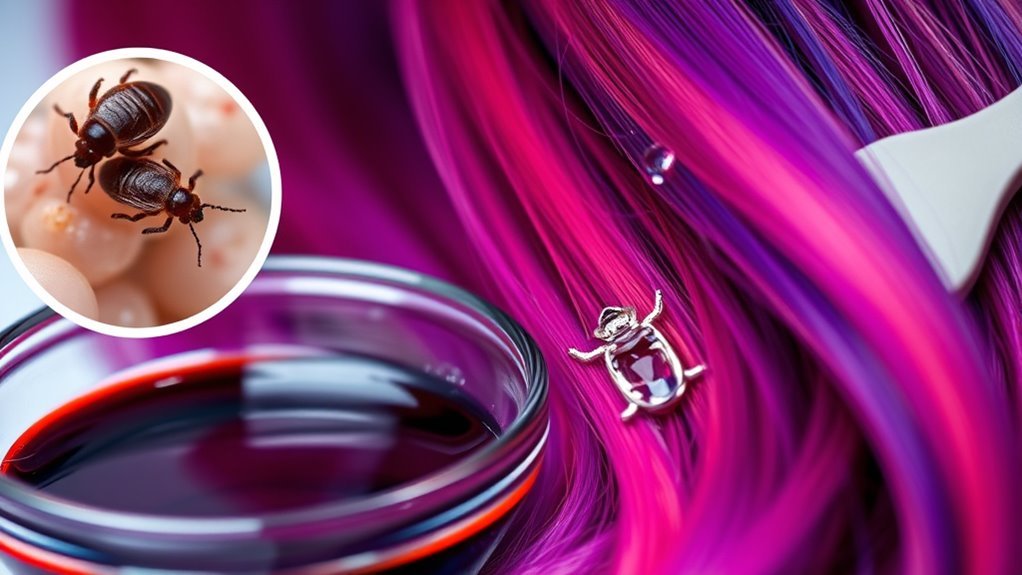
You can temporarily kill live lice by applying hair dye that contains ammonia and hydrogen peroxide, as these ingredients affect them chemically. However, hair dye won’t penetrate or destroy lice eggs (nits) since their shells are tough and protective.
To fully get rid of lice, you’ll need to carefully comb out nits after dyeing.
If you want effective results and to avoid re-infestation, it helps to understand the right type of dye, timing, and proper removal techniques. Using hair dye alone is not a complete solution for lice and eggs.
Combining dyeing with manual nit removal and follow-up treatments ensures better success in eliminating lice.
What Hair Dye Does to Lice and Their Eggs
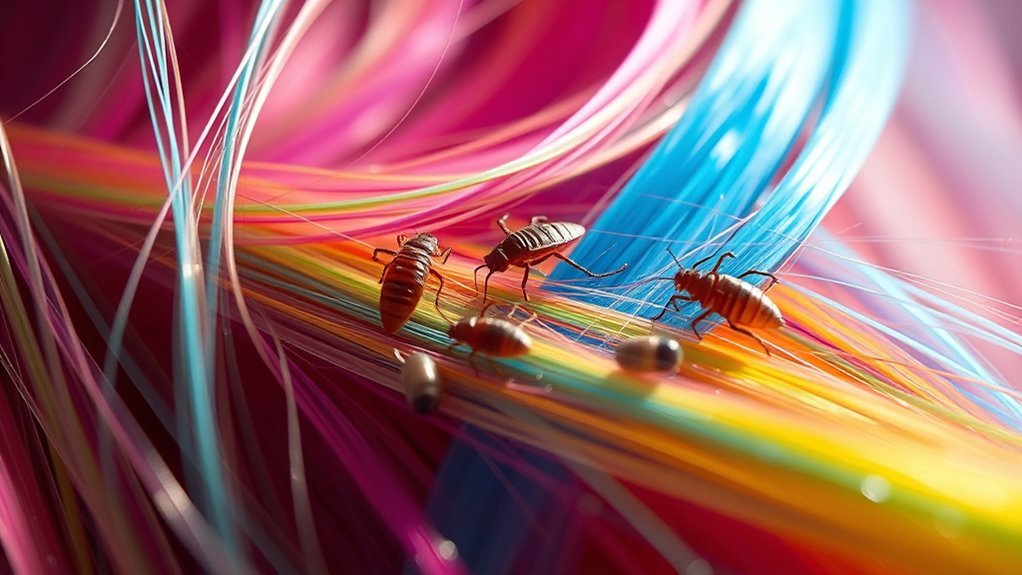
Although hair dye with ammonia and hydrogen peroxide can kill live lice temporarily, it won’t affect their eggs because the chemicals can’t penetrate the tough shell of nits. The hair dye chemicals don’t reach or damage the lice eggs shell, meaning nits survive and hatch later.
Since nits are firmly attached to hair shafts with a strong nit glue, hair dye can’t dissolve or dislodge them. While the chemical treatment kills lice on contact, it falls short in head lice removal because unhatched eggs remain.
To fully remove lice, you need physical removal of nits using a fine-toothed comb. Relying on hair dye alone won’t stop re-infestation since the lice eggs continue to develop, making exhaustive treatment essential.
Choosing the Right Hair Dye for Lice Treatment
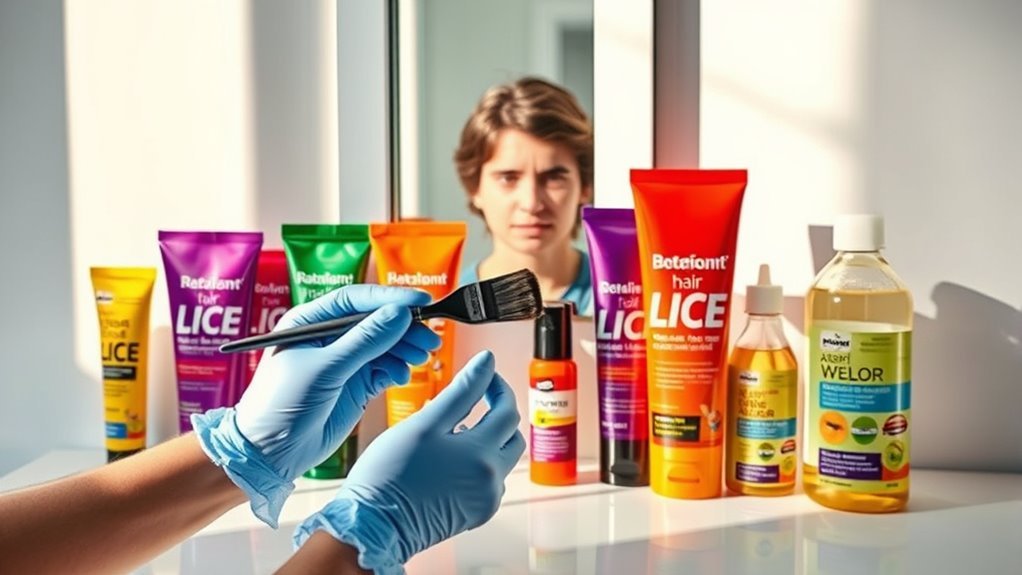
When choosing the right hair dye for lice treatment, you should opt for permanent dyes containing ammonia and hydrogen peroxide, as these ingredients can temporarily influence live lice.
Remember, hair dye’s chemicals won’t eliminate lice and nits completely, so manual removal of lice and eggs removal remain essential. Always perform a patch test to prevent scalp irritation before applying any dye.
| Hair Dye Type | Chemical Chemicals | Effect on Lice and Nits |
|---|---|---|
| Permanent Hair Dye | Ammonia, Hydrogen Peroxide | Temporarily influences live lice |
| Semi-Permanent Dye | Milder chemicals | Minimal effect on lice |
| Temporary Dye | No strong chemicals | No effect on lice or eggs |
Choose wisely to support your lice treatment and ensure safety.
How to Apply Hair Dye Safely to Kill Lice
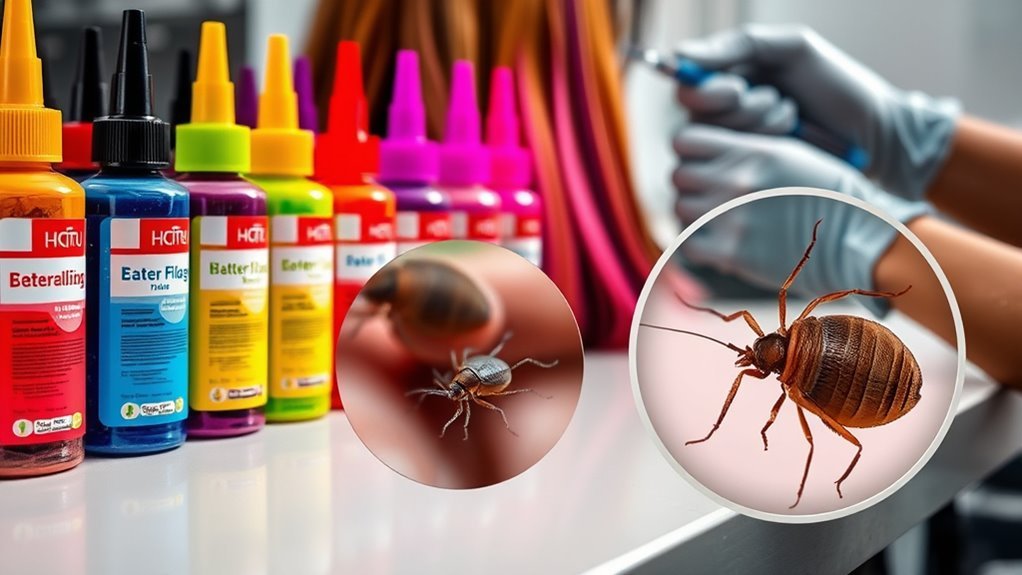
Before applying hair dye to treat lice, you should always perform a patch test on a small skin area to check for allergic reactions. For safe application, thoroughly saturate your scalp, hair roots, behind your ears, and along each strand with the hair dye mixture. This ensures the chemical treatment reaches both lice and lice eggs.
After the recommended processing time, rinse your hair completely with warm water and shampoo to remove all dye residues. To enhance lice removal, use a fine-toothed lice comb for manual removal of any remaining lice and lice eggs. Finally, drying your hair on high heat helps kill any residual lice.
Combining chemical treatment with manual removal gives you the best chance at effective lice eggs removal and overall lice control.
How Long to Leave Hair Dye on for Best Effect
After applying hair dye thoroughly to your scalp and hair, you need to leave it on for the full recommended time, usually between 20 to 45 minutes. This leave on time guarantees proper chemical penetration, targeting lice eggs and adult lice effectively. Rinsing too soon diminishes the hair dye’s ability to act as a hair treatment and limits lice removal.
Stick closely to the manufacturer instructions for application duration to avoid scalp irritation or hair damage. Extending the time beyond what’s advised won’t improve results and can cause unnecessary discomfort.
Once the application duration is complete and you rinse, don’t forget to follow up with combing out nits using a fine-tooth lice comb to ensure thorough lice removal and prevent reinfestation.
Removing Lice and Nits After Dyeing Your Hair
Although dyeing your hair targets lice chemically, you’ll still need to remove live lice and nits manually using a fine-toothed lice comb. After applying hair dye, thorough lice removal is essential during post-dye treatment.
Start by coating your hair with a thick conditioner to ease combing and loosen eggs stuck to hair shafts. Then, comb carefully to catch lice and nits. Remember to soak the comb in hot water (at least 130°F/54°C) between passes to kill trapped pests.
Repeat this combing every 2-3 days for at least two weeks to catch newly hatched lice. For effective nit removal, you can also pick out stubborn nits by hand.
Key steps include:
- Apply conditioner before combing
- Soak comb in hot water regularly
- Repeat combing consistently for two weeks
Why Hair Dye Alone Won’t Get Rid of Lice (And What to Do Instead)
You might think hair dye can kill lice, but it doesn’t contain the right chemicals to do the job. The tough eggs won’t be affected, so the infestation can continue even after dyeing.
To truly get rid of lice, you need to combine manual removal with proven treatments.
Limitations Of Hair Dye
While hair dye might seem like a quick fix, it won’t eliminate lice on its own because it lacks insecticidal ingredients and can’t penetrate the tough shells of lice eggs. The egg shell acts as a barrier, preventing chemical penetration, so nits stay firmly attached to hair strands.
Even if hair dye kills some adult lice, the remaining eggs hatch later, causing re-infestation. Relying solely on hair dye leads to incomplete lice removal.
Instead, you should consider:
- Combining chemical treatments designed specifically for lice with manual nit removal
- Understanding that hair dye doesn’t substitute for proven lice removal methods
- Being aware that nits require targeted strategies since dye won’t break down their protective shell
This approach ensures you effectively tackle both lice and their resilient eggs.
Effective Lice Removal
Since hair dye can’t break through the tough shells of lice eggs, relying on it alone won’t get rid of an infestation. While some chemical effects of hair dye may kill adult head lice temporarily, it doesn’t affect the nits cemented firmly to hair shafts.
For effective lice eradication, you need a combined approach. Start with a proven lice treatment designed to target live lice, then use manual removal with a fine-toothed lice comb to carefully tackle lice eggs and nits removal.
This physical removal is essential because hair dye can’t dissolve the glue-like substance holding nits. Only by pairing chemical treatments with thorough manual removal can you fully eliminate a lice infestation and prevent re-infestation, ensuring complete lice eradication and healthy hair.
Frequently Asked Questions
Can Lice Eggs Survive Hair Dye?
Yes, lice eggs can survive hair dye because the dye can’t penetrate their tough shells or the glue that holds them to your hair.
You’ll need to comb them out manually to fully get rid of them.
Does Dyeing Your Hair Get Rid of Lice?
No, dyeing your hair doesn’t get rid of lice. You can’t rely on hair dye to kill lice or eggs—they’re protected and stick tight.
You’ll need proper treatments and manual removal to fully eliminate them.
What Kills Head Lice and Eggs Instantly?
You can kill head lice and eggs instantly using FDA-approved heat treatments, suffocation oils, or specialized devices.
Does Ammonia Kill Head Lice?
Do you think ammonia fully solves your lice problem? It can kill adult lice on contact due to its alkalinity, but it won’t touch the eggs.
Conclusion
While hair dye might seem like a quick fix to kill lice and their eggs, it’s not the magic bullet you’re hoping for. Think of it as a temporary shadow—there, but not truly gone.
To truly beat lice, you’ll need a thorough approach: combing, specialized treatments, and patience. Don’t let a splash of color fool you; real victory comes from consistent care, not just a dye job.
In conclusion, hair dye alone does not effectively kill lice and eggs. A comprehensive lice removal strategy is essential to ensure complete elimination and prevent reinfestation.