7 Best Places to Buy Beef Fat for Deer Processing
You can get quality beef fat for deer processing from local butcher shops, often for free or at a low cost, especially if you build a good relationship. Grocery stores and specialty processors offer trimmings and premium options that suit various needs.
Friends and family might also provide fresh, reliable fat at no cost, making it easier to source what you need.
If you want a budget-friendly alternative, pork fat works well too and can be a great substitute.
Knowing these sources saves you time and expense during your deer processing. Keep exploring to find tips on selecting and storing fat perfectly for your needs.
Comparing Back Fat and Leaf Fat for Deer Processing

When processing deer, understanding the difference between back fat and leaf fat can help you choose the best option for your needs. Back fat has a consistency similar to steak fat, making it suitable for general processing where a firmer texture is beneficial. On the other hand, leaf fat, also known as kidney fat, melts quickly, which makes it ideal if you’re planning to render tallow.
You’ll find leaf fat preferred for tallow production due to this rapid melting property. When selecting fat, consider how you intend to use it—choose back fat for stuffing or grinding, and leaf fat if you want smooth, easily rendered fat. Knowing these distinctions ensures you get the right fat type to enhance your deer processing results.
Sources of Beef Fat at Local Butcher Shops
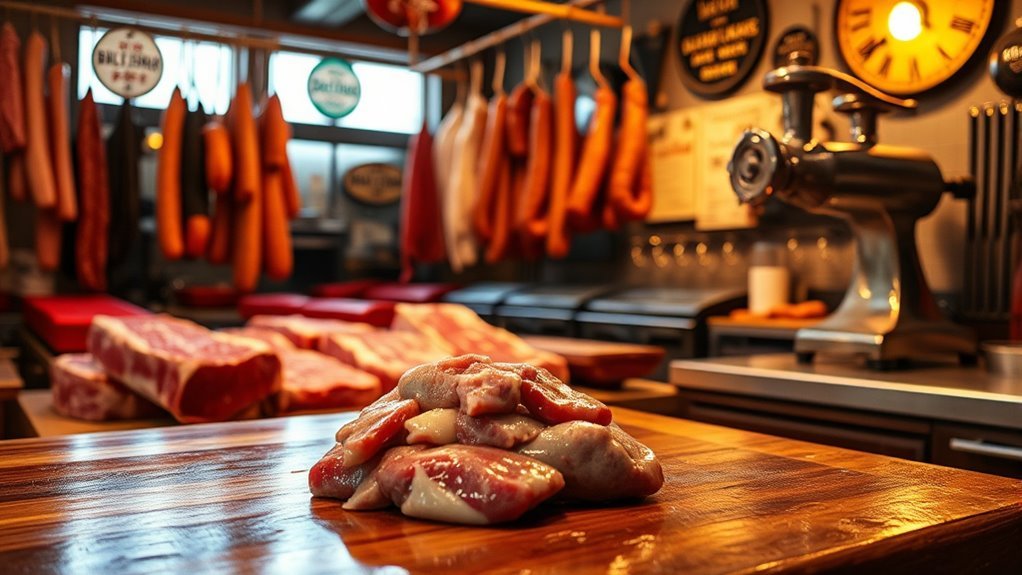
When you visit a local butcher shop, you’ll often find beef fat available from trimmings or surplus cuts like brisket and shoulder. Smaller shops are more likely to offer this fat for free or at a low cost, making them a great option.
Just ask your butcher about the types of fat they have and any potential fees before you take some home.
Butcher Shop Fat Availability
Although small local butcher shops often process animals on-site, you can usually get beef fat from them either for free or at a very low cost. Butcher shops commonly offer leaf or kidney fat, perfect for tallow since it melts quickly.
If you build a good relationship with your local butcher shop, they might even save fat trimmings for you. Sometimes, butchers charge a disposal fee for excess fat, but many prefer giving it away, especially to hunters.
| Fat Type | Cost | Availability |
|---|---|---|
| Leaf Fat | Free/Low | Common at butcher shops |
| Kidney Fat | Free/Low | Ideal for tallow |
| Trimmings | Sometimes Free | Larger chains or local shops |
Reach out and ask your butcher shop—they’re usually happy to help.
Types Of Butcher Fat
Since local butcher shops handle various cuts daily, you can often find different types of beef fat, such as leaf fat, kidney fat, and back fat, available either for free or at a low cost. Butchers usually have these fats from brisket, roast trimmings, or specific fat deposits.
Here are the common types of beef fat you’ll encounter:
- Leaf Fat – Found around the kidneys, this fat melts quickly and is perfect for rendering tallow.
- Kidney Fat – Similar to leaf fat, ideal for making high-quality fat products.
- Back Fat – Comes from the outer layer of the cow, often thicker and used for different culinary applications.
Always ask your local butchers directly about their beef fat availability, as it varies by shop and processing methods.
Beef Fat From Grocery Stores and Specialty Processors
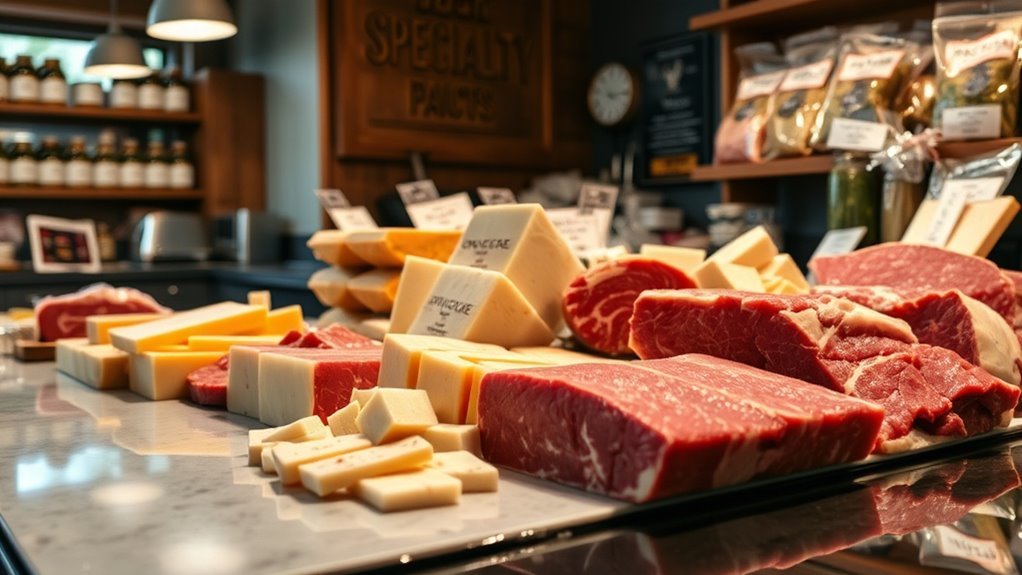
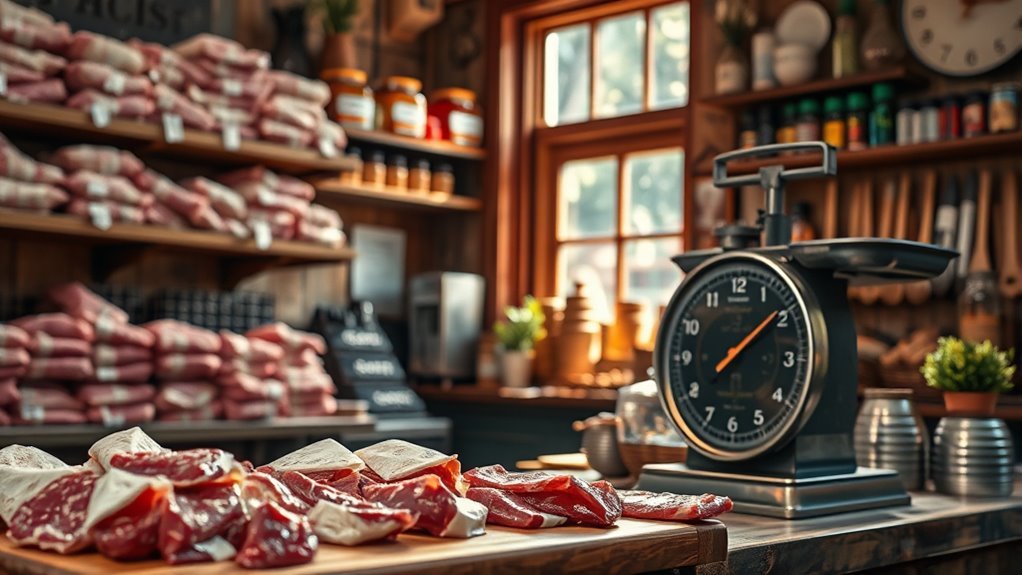
You can often find beef fat at grocery store meat counters, either free or for a small price, especially if you ask for trimmings or chunks.
Specialty organic meat processors are another great option, offering cleaner, grass-fed fat that’s perfect for rendering. Checking both spots gives you easy access to quality beef fat without much hassle.
Grocery Store Meat Counters
When visiting grocery stores with on-site meat departments, you can often find beef fat trimmings available for purchase or even free if you ask at the counter. Meat counters usually have beef fat from cuts like brisket, chuck, or ribs, perfect for rendering or deer processing.
To make the most of these opportunities:
- Ask specifically for trimmings rich in fat, such as brisket or chuck scraps.
- Check if the store charges a small fee or offers the fat free—polite inquiry goes a long way.
- Store beef fat properly in the freezer to keep it fresh for months.
Specialty Organic Meat Processors
Several specialty organic meat processors offer high-quality grass-fed beef fat, perfect for deer processing and other uses. These specialty organic meat processors prioritize purity, sourcing beef from local farms that use sustainable, hormone-free, and antibiotic-free practices.
You’ll often find beef fat sold in bulk, ranging from 10 to 50 pounds, ideal if you plan to render tallow or need larger quantities. Prices typically fall between $3.50 and $5.00 per pound, with discounts for bulk orders.
Besides specialty organic meat processors, many grocery stores with on-site meat facilities also carry beef fat, especially in their organic or specialty meat sections. Choosing specialty organic meat processors guarantees you get premium quality fat that aligns with natural, ethical farming standards.
Friends and Family as Great Sources for Deer Processing Fat
Although sourcing beef fat can sometimes be challenging, friends and family often provide an easy and affordable solution. They may have access to beef fat from trimmings, organ meats, or bacon ends that’s perfect for your deer processing needs.
By tapping into your trusted network, you can secure high-quality, clean beef fat without extra costs.
Leverage your trusted network to obtain clean, high-quality beef fat at no additional expense.
Here’s why friends and family are great sources for beef fat:
- They might offer beef fat for free or at a low price since they already process animals.
- You can build steady access by processing your own or their animals together.
- Trusted connections increase the chance of getting fresh, reliable fat for your deer processing projects.
Rely on friends and family to simplify your beef fat sourcing.
Affordable Pork Fat Alternatives for Deer Processing
If you’re looking to cut costs without sacrificing quality, pork fat offers a practical alternative for deer processing. Pork shoulder roast and brisket are affordable sources loaded with fat, perfect for rendering lard or mixing with your ground beef.
You can often find pork fat or trimmings at grocery stores or butcher shops, sometimes even free, especially from processed cuts like pork butts or bacon ends. This pork fat not only adds flavor but also provides the necessary moisture and fat content when combined with lean ground beef for sausage or other deer meat products.
How to Assess and Ensure Fat Quality Before Purchase
When buying fat for your processing needs, you want to prioritize its quality to guarantee the best results. High-quality beef fat ensures better flavor and texture in your deer processing projects.
Here’s how you can assess fat before purchase:
- Color and Texture: Choose fat that’s white or creamy with a smooth texture. It should be firm but pliable, not greasy or overly soft.
- Smell: Make sure the fat has a clean, mild odor. Avoid any off or sour smells indicating spoilage.
- Source and Handling: Ask the seller about the fat’s origin and storage practices to confirm it’s fresh and properly handled.
Tips for Storing and Using Fat in Deer Processing
Properly storing and handling beef fat is essential to maintain its quality for your deer processing projects. To store beef fat, keep it in 10-pound vacuum-sealed bags and freeze them to prevent freezer burn and preserve freshness for up to 12 months. Only thaw the amount you need to keep the rest in prime condition.
When using fat, grind it while cold or semi-frozen to blend smoothly with your ground meat. Mixing about 10% beef fat into your deer meat enhances flavor, moisture, and fat content.
If you have properly rendered fat, store it in airtight containers. This fat is versatile and can be used for cooking, baking, or making tallow, lasting for extended periods without losing quality.
Frequently Asked Questions
Where to Get Fat to Add to Deer Meat?
You can get fat from local butcher shops or grocery meat departments, ask friends who process beef, or check organic beef sources.
Don’t hesitate to talk to meat counters—they often have fat trimmings they’ll share or sell cheaply.
Can I Buy Beef Fat From a Butcher?
You can buy beef fat from a butcher. For example, Sarah asked her local butcher for leaf fat trimmings, and he gladly gave her some for free.
Just ask specifically, and you’ll often get what you need.
Can You Buy Animal Fat From the Butcher?
Yes, you can buy animal fat from a butcher. Just ask them directly—they might sell or even give you fat trimmings for free, depending on their disposal policies and what fat types they have available.
Can I Get Free Beef Fat From Costco?
You probably won’t get free beef fat from Costco since they usually sell it with meat products.
However, you can ask the butcher if they’ll set aside trimmings, but expect to pay for any fat they provide.
Conclusion
When it comes to deer processing, choosing the right fat is like finding Excalibur—it makes all the difference. Whether you pick back fat or leaf fat, from a local butcher or a friendly neighbor, quality is king.
Don’t overlook affordable pork fat as a worthy contender. With careful selection and storage, you’ll turn your venison into a legendary feast.
So gear up, because great fat is the secret weapon in your wild game arsenal. For the best results, consider exploring the 7 best places to buy beef fat for deer processing to ensure top-quality fat that elevates your venison dishes.