How to Find Out If Eggs Are Fresh
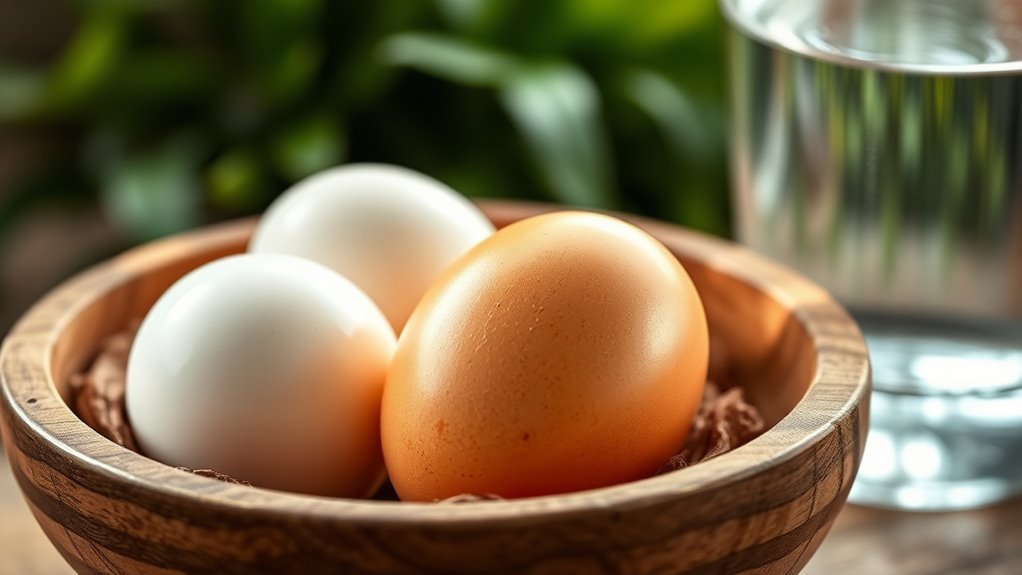
You can find out if your eggs are fresh by gently placing them in a glass of cold water. This simple test helps determine egg freshness quickly. Fresh eggs sink and lie flat at the bottom, while older eggs stand upright. Very old eggs float—discard those immediately to avoid any health risks.
Another way to check egg freshness is by cracking them into a bowl. Look for a firm yolk and thick egg white. Avoid eggs that have off smells or any discoloration, as these are signs of spoilage.
Proper storage and rotation also play a vital role in keeping eggs fresh longer. Store eggs in their carton in the coldest part of your refrigerator rather than the door.
If you want to learn how to spot freshness like a pro, keep exploring these tips.
How to Perform the Egg Float Test for Freshness

Although it might seem simple, performing the egg float test is an effective way to check freshness. To do this water test, fill a glass with cold water and gently place your egg inside.
Fresh eggs will sink and lie flat on the bottom because their air pocket is small. As eggs age, the air pocket inside grows larger, affecting their buoyancy. If the egg stands upright on the bottom, it’s still safe to eat but older.
However, if the egg floats to the surface, it indicates the air pocket has expanded considerably, meaning the egg is old and should be discarded. Using the egg float test helps you quickly distinguish fresh eggs from those past their prime without cracking them open.
What Egg Behavior in Water Reveals About Egg Freshness

When you place an egg in water, its behavior reveals key details about its freshness. If the egg sinks and lies flat on the bottom, it indicates excellent freshness because the air pocket inside is minimal. If the egg sinks but stands upright, it’s older but still safe to eat, as the air space has grown slightly.
However, if the egg begins to float to the surface, it means the air pocket inside has enlarged considerably, signaling that the egg is old and should generally be discarded. While a floating egg might not always smell or look spoiled, its buoyancy in water is a clear sign that its freshness has diminished, so it’s best to avoid using eggs that float.
How to Check Egg Freshness by Cracking Eggs Separately

To accurately assess an egg’s freshness, crack it into a separate bowl before adding it to your recipe. This lets you inspect the egg’s appearance and smell without contaminating other ingredients. Look for a firm, high-standing yolk and thick, cloudy white—signs of freshness.
If the yolk is flat or breaks easily and the white is watery, the egg is older but might still be safe if it smells normal. Always discard eggs if you spot cracks in the shell, shell fragments in the bowl, or notice any off-putting or sulfuric odor.
Also, be alert for discoloration or slime. Taking this extra step helps guarantee your eggs are fresh and safe to use.
How Egg Whites and Yolks Change With Age
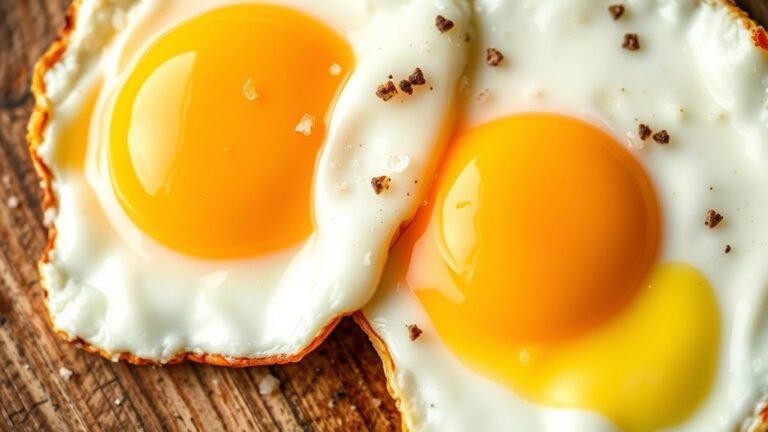
When you crack open an egg, pay close attention to the white and yolk. Fresh egg whites are thick and cling to the yolk, which is firm and round, while older eggs have runnier whites and flatter yolks.
You’ll also notice the color changes—the yolk brightens when fresh but fades as the egg ages.
Egg White Consistency
Although you might not notice it at first glance, the consistency of egg whites changes considerably as eggs age. With fresh eggs, you’ll see thick, firm egg whites that stay close to the yolk, making them ideal for cooking or baking.
As eggs get older, the egg white consistency becomes runnier and more watery, flattening out and losing its viscosity. This change also affects how well the whites whip, as older eggs won’t form stiff peaks easily.
You can combine this visual check with the float test: fresh eggs sink, while older eggs tend to float due to air buildup inside. Keep in mind that spoiled eggs show abnormal egg white consistency, like slime or foul odor, so always inspect carefully before use.
Yolk Shape Changes
As eggs age, you’ll notice the yolk changes shape, becoming flatter and more fragile compared to the firm, rounded yolk of a fresh egg. In a fresh egg, the yolk shape is tall and holds together well, sitting high in the center.
However, in an older egg, the yolk spreads out, appearing less defined and more delicate. This happens because the membranes weaken over time, making the yolk more likely to break when cracked.
Meanwhile, the egg white also thins and becomes runnier, losing its firm texture that signals good egg freshness. By observing both the yolk shape and the consistency of the egg white, you can easily tell if an egg is fresh or if it’s an older egg past its prime.
Color Variations
While the color of egg whites stays mostly the same, you’ll notice their texture changes considerably with age, becoming thinner and more watery. Fresh egg whites are thick and hold their shape well, but as they age, they lose firmness and spread out more when cracked open.
The yolk’s color might fade slightly over time, but the change is subtle and not the best freshness indicator. Instead, focus on the yolk’s shape and firmness—fresh yolks are round, tall, and firm, while older ones flatten and break easily.
How to Identify Spoiled Eggs by Smell and Appearance
You can quickly spot spoiled eggs by checking for unusual colors like green or pink and any slimy or moldy textures inside the shell.
When you crack an egg open, trust your nose—any strong sulfuric or rotten smell means it’s gone bad. Combining these visual and smell checks helps you avoid using eggs that aren’t safe to eat.
Visual Signs Of Spoilage
If an egg smells strongly of sulfur or rotten odors when you crack it open, it’s definitely spoiled. Beyond smell, check the shell for visual signs of spoilage. Discolored shells or ones with unusual spots—like green, pink, or iridescent patches—signal bacterial contamination.
You might also notice a slimy or chalky coating on the shell, which indicates bacterial growth and spoilage. Cracks or damage to the shell let bacteria enter, increasing the risk of spoilage and unpleasant smells. Inside, look for discolored or cloudy egg whites and yolks, which means the egg has deteriorated.
Always trust your senses—if the shell looks off or the egg has discolored spots, it’s safer to discard it than risk eating a bad egg.
Detecting Bad Egg Odor
Because spoiled eggs release a distinct sulfuric or rotten smell when cracked open, detecting bad egg odor is one of the most reliable ways to identify spoilage. When you crack an egg, take a moment to smell it carefully. Any foul odor indicates bacterial growth, signaling the egg is unsafe to eat, regardless of other tests.
Visual signs like discoloration or slime combined with a bad smell confirm spoilage. Always crack the egg into a separate bowl before use to check for any off-odor.
| Indicator | What to Look For | Meaning |
|---|---|---|
| Smell | Sulfuric or rotten odor | Spoiled egg |
| Crack | Easy or difficult | Not a reliable factor alone |
| Appearance | Discoloration, mold, slime | Spoiled egg |
| Odor | Foul or off-odor | Bacterial growth |
| Float Test | Floating or sinking | Less reliable than smell |
How Long Eggs Stay Fresh Outside and Inside the Fridge
Although eggs can last about one to two weeks outside the fridge depending on room temperature, storing them properly can extend their freshness. When you keep eggs in a cool, consistent environment, they maintain quality longer, even outside refrigeration.
Inside the fridge, eggs generally stay fresh for two to three weeks beyond the purchase date, giving you more time before use. To check an egg’s freshness, try the float test: place the egg in water—if it sinks, it’s fresh; if it floats, it’s older and likely spoiled.
Regularly checking your eggs helps prevent waste and ensures safety. Proper storage and simple tests like the float test keep you confident about your eggs’ freshness, whether stored inside or outside the fridge.
Best Egg Storage Tips for Longer Freshness
To keep your eggs fresh longer, always store them in their original carton inside the refrigerator to maintain a steady temperature. Make sure to place eggs with the pointy end down to help preserve the yolk and slow air exchange.
Remember to rotate your eggs regularly, using the oldest ones first to avoid waste.
Optimal Egg Refrigeration
When you store eggs, keeping them in their original carton on a refrigerator shelf helps maintain a steady temperature and prolongs freshness. Avoid storing eggs in the door since frequent temperature changes can reduce their shelf life. To keep eggs fresh, set your fridge at or below 40°F (4°C), which slows bacterial growth.
Don’t wash eggs before storage; their natural coating protects them from spoilage. Label your eggs with the purchase or collection date to track how long you’ve kept them. Follow these storage practices and use eggs within 3 to 5 weeks of the pack or expiration date.
To test freshness, place eggs in water—fresh eggs sink while older ones float. Proper refrigeration guarantees your eggs stay safe and tasty longer.
Proper Egg Rotation
Maintaining egg freshness goes beyond just storing them properly; how you rotate your eggs plays a big role in extending their shelf life. Always store eggs pointy end down in their carton to keep the yolk centered and prevent air pocket growth.
Label each carton with the date of collection so you can easily rotate stock, using older eggs first to avoid spoilage. Keep eggs in their original carton and place them in the coldest part of your fridge, away from the door, for consistent temperature.
Regularly perform a float test or visual inspection to check for fresh eggs before use. By following these egg storage tips and rotating your stock diligently, you’ll ensure your eggs stay fresh longer and reduce waste in your kitchen.
When Older Eggs Are Still Fresh and Safe to Use
Although eggs that float during the float test might seem questionable, you shouldn’t dismiss them immediately. Eggs that float often have larger air pockets due to age but can still be fresh and safe. To confirm, check for a firm, thick egg white and a bright, rounded yolk.
Avoid eggs with foul smells, discoloration, or slimy shells, as these indicate spoilage. Proper storage and inspection help you know when older eggs are still good.
| Test | What to Look For | Result |
|---|---|---|
| Float Test | Egg sinks or floats | Floating may still be fresh |
| Smell | No foul odor | Safe to use |
| Appearance | Thick white, bright yolk | Indicates freshness |
| Shell | No sliminess or discoloration | No spoilage |
| Storage | Kept refrigerated properly | Prolongs freshness |
Mistakes to Avoid When Checking Egg Freshness
If you rely only on the float test, you might mistakenly throw away eggs that are still good. Floating eggs don’t always mean spoilage; some older eggs can still be safe if they pass the smell and visual inspection. Never skip cracking eggs into a bowl before use—that’s how you’ll catch off odors or unusual appearance the float test misses.
Also, don’t assume eggs that don’t sink are fresh without checking them further. Ignoring smell and visual cues can lead to wasted food. In the end, poor storage and handling can affect egg freshness, making float test results less reliable.
Always combine the float test with smell and visual inspection to accurately judge egg freshness and avoid unnecessary waste.
Tips for Rotating and Labeling Eggs to Maintain Freshness
To keep your eggs fresh longer, start by labeling each carton with the date you bought or collected the eggs. Use a permanent marker to mark the carton clearly, so you can easily track freshness.
Always store eggs pointy end down to maintain the yolk’s position and keep the air pocket stable, which helps extend freshness. Practice regular rotation by using the oldest eggs first, following the “first in, first out” method.
Place newly purchased eggs behind older ones in the storage area to manage stock efficiently. Keep your eggs in a dedicated, organized storage container or section of the fridge.
This way, you’ll maintain proper rotation and easily monitor freshness, reducing spoilage and waste.
Frequently Asked Questions
How Do You Check if an Egg Is Fresh or Not?
You check if an egg is fresh by placing it in cold water; if it sinks and lies flat, it’s fresh. If it floats, discard it.
Always crack it open to check smell and appearance before using.
What Is the 5 5 5 Rule for Eggs?
The 5-5-5 rule means you should use eggs within 5 weeks of the lay date, store them properly in the fridge, and consume them before 5 weeks to guarantee freshness and quality.
Do Eggs Float if They Are Fresh?
Floating eggs? No, fresh eggs don’t float; they firmly fall flat to the floor of your water bowl.
If you find them floating, they’re older, but you can still check for smell and sight before tossing them out.
Is the Egg Float Test Actually Accurate?
The egg float test isn’t fully accurate because factors like temperature and handling affect results. You shouldn’t depend on it alone—always check eggs by smell and appearance to ensure they’re truly fresh and safe to eat.
Conclusion
Did you know that eggs can stay fresh for up to 5 weeks in the fridge if stored properly? By using simple tests like the float test and checking the egg’s smell and appearance, you can easily tell if your eggs are still good to use.
Remember to store them in their carton, rotate older eggs to the front, and avoid common mistakes. These small habits help you enjoy fresh eggs safely and reduce food waste.
In conclusion, knowing how to find out if eggs are fresh is essential for food safety and quality. Using these tips ensures you always have fresh eggs ready for your meals.