

How to Safely Eat Fertilized Chicken Eggs
You can safely eat fertilized chicken eggs by storing them properly in the refrigerator at or below 40°F to stop embryo development. Proper storage is key to maintaining the egg’s freshness and preventing any potential growth inside the egg.
Check for fertilization by cracking the egg and looking for a germinal disc or by candling after a few days to spot embryo growth. This helps ensure you know what you’re consuming.
Always cook eggs thoroughly until yolks and whites are firm to kill harmful bacteria.
Understanding cultural views and handling tips can enhance your experience with fertilized eggs. Exploring these aspects can give you the full picture and confidence in eating fertilized chicken eggs safely.
What Are Fertilized Chicken Eggs?

Although fertilized chicken eggs look just like regular eggs, they contain a germinal disc—a small white spot on the yolk—that shows fertilization has occurred. When a rooster mates with a hen, sperm is deposited in the hen’s oviduct before the shell forms, resulting in fertilized eggs.
These eggs have the potential to develop into chicks if kept warm, but unless incubated or candled, you won’t notice any difference from unfertilized eggs. Fertilized eggs come directly from hens that have mated, so the presence of a germinal disc is a natural sign of this process.
Understanding what fertilized eggs are helps you recognize their origin and nature, especially if you come across them while buying or collecting eggs from hens.
Are Fertilized Eggs Safe to Eat?
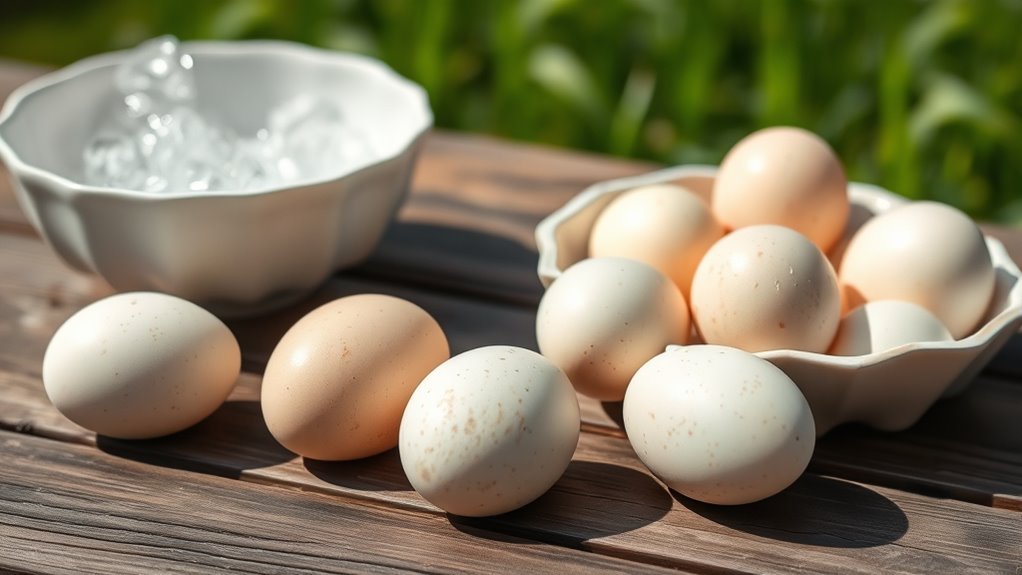
Wondering if fertilized eggs are safe to eat? Yes, they are perfectly safe to eat when stored and handled properly. Fertilized eggs contain the same nutrients as unfertilized ones and have no difference in taste or appearance unless the embryo begins developing.
Keeping fertilized eggs refrigerated at 40°F (4°C) stops any embryo growth and keeps them fresh and safe. You don’t need to worry about blood spots or other minor defects either, as these don’t affect safety once removed.
Most commercial eggs in the U.S. aren’t fertilized, so this usually isn’t a concern. As long as you follow proper storage guidelines, fertilized eggs are just as safe to eat as any other eggs you buy.
How to Identify Fertilized Eggs Before Cooking
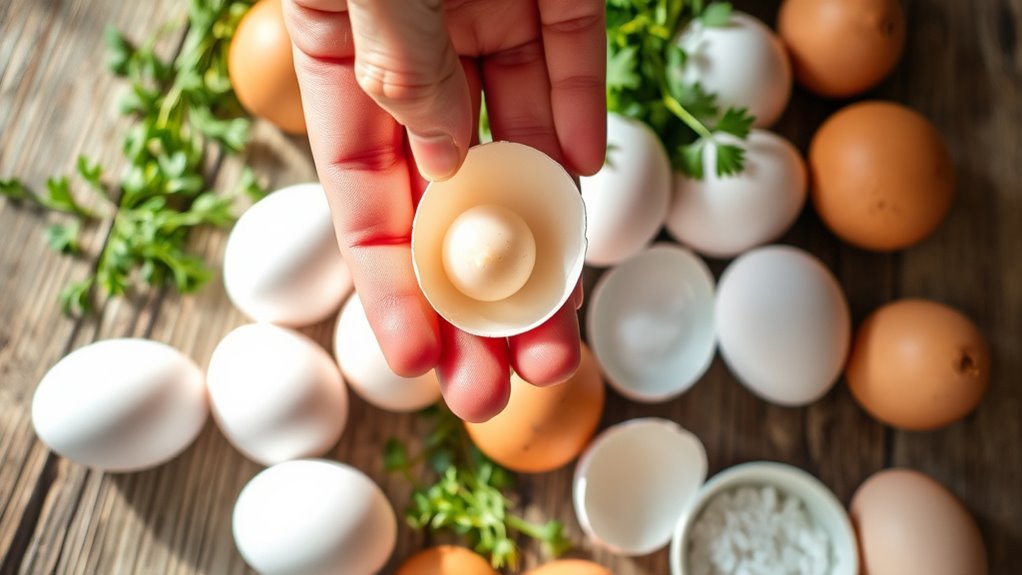
If you want to know whether an egg is fertilized before cooking, you’ll need to look beyond its shell since fertilized and unfertilized eggs appear identical externally. To identify fertilized eggs, crack them open and examine the yolk closely. Look for a small, white spot called the germinal disc.
In fertilized eggs, this spot often appears as a distinct bullseye shape, indicating early embryo development. A plain white spot alone doesn’t confirm fertilization, so focus on the bullseye pattern. Another method is candling the egg by holding it up to light; fertilized eggs may show veins or embryo signs after several days of incubation.
How to Store Fertilized Eggs Properly
When you collect fertilized eggs, you should store them in the refrigerator at 40°F (4°C) right away to slow down embryo development and keep them fresh. Always place fertilized eggs in the main body of the fridge, not the door, to maintain a consistent temperature. Collect eggs daily to prevent embryos from growing and to ensure freshness.
Avoid washing fertilized eggs before storing since washing removes their natural protective coating. If you must clean them, use warm water and dry thoroughly before refrigerating. When you store fertilized eggs properly, they stay safe and suitable to eat for 3 to 5 weeks.
Following these steps helps you maintain their quality and enjoy them safely over time.
How to Candle Eggs to Check for Embryo Growth
Storing fertilized eggs properly helps slow embryo development, but to know if an embryo has started growing, you’ll need to candle the eggs. Candling lets you see inside the shell by shining a bright light through it in a dark room. Here’s how to do it:
- Hold the fertilized egg at a slight angle against a strong light source.
- Look for visible veins, a dark spot (embryo), or movement inside after 3 to 7 days of incubation.
- If you see a clear, uniform yolk with no veins, the egg is likely unfertilized or not developing.
- Avoid eggs showing dark, spider-like veins or a visible embryo if you want to prevent eating developing chicks.
Candling is key to safely checking fertilized eggs before use.
Cooking and Eating Fertilized Eggs Safely
You can tell fertilized eggs apart by looking for certain signs, but remember that their taste and nutrition match regular eggs. Keep them refrigerated and handle them carefully to maintain freshness and safety.
When cooking, make sure to use proper methods that reach safe temperatures to eliminate any bacteria.
Identifying Fertilized Eggs
Although fertilized and unfertilized eggs look the same on the outside and taste alike when cooked, you can identify fertilized eggs by examining the yolk closely. Start by looking for the germinal disc—a small white or bullseye-shaped spot on the yolk. In fertilized eggs, this disc is more defined and larger.
Here’s how to identify fertilized eggs:
- Check the yolk for a distinct germinal disc.
- Use candling with a light source to spot veins or embryo structures.
- Inspect the egg for blood spots, which can sometimes appear near the germinal disc.
- Remember, external shells won’t reveal fertilization, so always crack the egg open for a clear view.
This careful examination helps you safely enjoy fertilized eggs.
Proper Egg Storage
When handling fertilized eggs, keeping them cold at 40°F (4°C) right after collection is vital to stop embryo development and guarantee they remain safe to eat. Store your eggs in their carton on a middle shelf in the fridge to reduce temperature fluctuations. This helps maintain the egg’s quality, including the integrity of the white, which is essential for texture and taste.
Consume fertilized eggs within 3–5 weeks for maximum freshness and safety. If your eggs are dirty, wash them gently just before cooking to avoid damaging the protective bloom that preserves freshness. Avoid washing if you plan to incubate.
Proper storage ensures your fertilized eggs stay fresh and safe, preserving the white’s quality for cooking and eating without the risk of embryo growth.
Safe Cooking Methods
Because fertilized eggs don’t differ from regular eggs in safety or taste, you can cook them using any standard method like boiling, frying, or scrambling. To guarantee safety, follow these safe cooking methods for fertilized eggs:
- Cook eggs until both whites and yolks are firm.
- Aim for an internal temperature of at least 160°F (71°C).
- Avoid eating raw or undercooked eggs to reduce foodborne illness risk.
- Use regular cooking guidelines since fertilization doesn’t affect nutritional content or flavor.
Ethical and Cultural Views on Fertilized Eggs
When you consider eating fertilized eggs, it’s important to recognize the ethical questions some people raise about potential life. You’ll also find that in many cultures, fertilized eggs hold special significance and are enjoyed as traditional delicacies.
Understanding these perspectives can help you make an informed choice that respects both your values and cultural practices.
Ethical Considerations
Although fertilized eggs are considered a delicacy in some cultures, you might hesitate to eat them due to ethical concerns about potential life and embryo development. When deciding whether to consume a fertile egg, you should consider these ethical considerations:
- Recognize that a fertile egg may contain an embryo, raising questions about respecting potential life.
- Understand that many vegetarians and animal rights advocates oppose eating fertilized eggs for this reason.
- Be aware that ethical debates focus on whether consuming these eggs aligns with your personal values.
- Note that some regions regulate the sale and consumption of fertilized eggs based on these concerns.
Cultural Significance
While some people avoid fertilized eggs due to ethical concerns, many cultures embrace them as a valued delicacy with deep cultural roots. You’ll find fertilized eggs, like balut in parts of Asia, celebrated not only for their taste but also their cultural significance.
In certain traditions, these eggs are believed to offer health benefits or are enjoyed during special festivals, reflecting their role beyond mere nutrition. Your view on fertilized eggs might depend on personal, religious, or cultural beliefs, as acceptance varies worldwide.
If you’re curious about trying fertilized eggs, understanding their cultural importance can enrich your experience and respect for the traditions that honor them as a unique and cherished food.
Frequently Asked Questions
Are Fertilized Chicken Eggs Safe to Eat?
Yes, fertilized chicken eggs are safe to eat. Just make sure you store them properly in the fridge at 40°F, handle them carefully, and discard any with unusual spots or odors to keep things safe and fresh.
Is It Safe to Eat Backyard Eggs Right Now?
You’re in the clear to eat backyard eggs right now if you’ve kept them refrigerated and handled them properly.
Don’t let the grass grow under your feet—use eggs within 3-5 weeks for best safety and freshness.
Can You Eat a Chicken Egg Right After It’s Laid?
Yes, you can eat a chicken egg right after it’s laid. Just make sure it’s fresh and handle it with clean hands.
Fertilization doesn’t affect safety, so enjoy it immediately without any waiting.
What Do I Do With Fertilized Chicken Eggs?
You’ll want to collect fertilized eggs daily, store them in the fridge, and check for embryos by candling or cracking them open.
If no development shows, cook and enjoy them just like regular eggs.
Conclusion
You might think fertilized chicken eggs are risky, but when handled right, they’re just as safe as regular eggs. While some see them as a curious delicacy, others view them with hesitation or ethical concern.
By identifying, storing, and cooking them properly, you can enjoy their unique qualities without worry. So, whether you’re adventurous or cautious, knowing how to safely eat fertilized eggs lets you decide what’s best for you.
Understanding how to safely eat fertilized chicken eggs ensures you can appreciate their distinct flavor and nutritional benefits without compromising safety. Proper handling, storage, and cooking are key to enjoying fertilized eggs confidently.