
What Happens If the Egg Is Not Fertilized?
If your egg isn’t fertilized within 12 to 24 hours after ovulation, it begins to break down.
Your hormone levels, especially progesterone and estrogen, start to drop. This decline signals your body that fertilization didn’t happen, causing the thickened uterine lining to shed as menstrual bleeding.
This natural process resets your cycle and prepares you for the next ovulation.
Understanding these changes helps you better grasp your reproductive health and what comes next.
How the Egg Disintegrates After Ovulation Without Fertilization
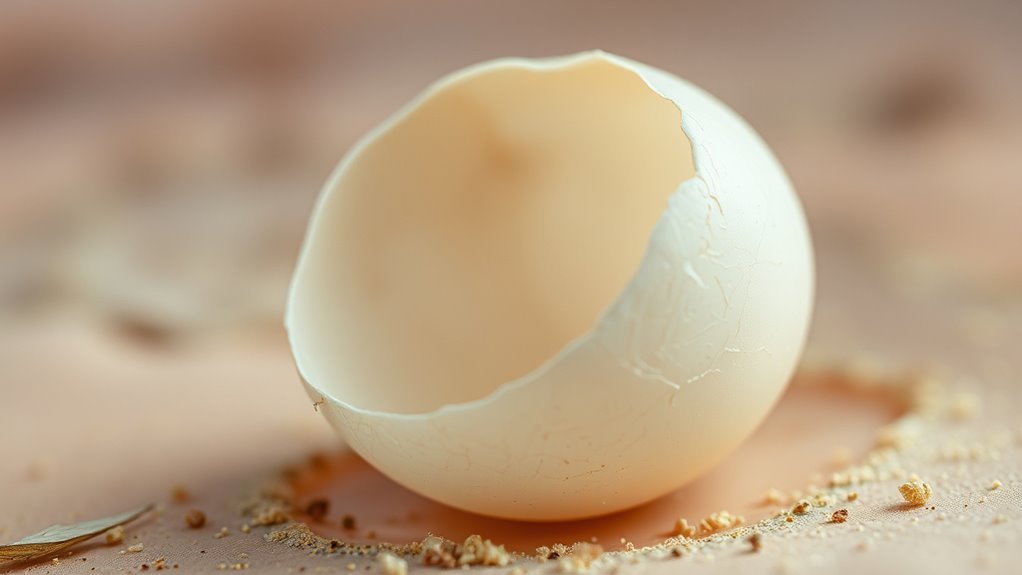
If the egg isn’t fertilized within 12 to 24 hours after ovulation, it starts to break down and disintegrate. This unfertilized egg’s cellular components gradually deteriorate as your body begins the reabsorption process. The egg doesn’t send fertilization signals, so hormone levels, especially progesterone, decline.
As hormone levels drop, the uterine lining no longer receives support and prepares to shed. Meanwhile, your body reabsorbs the broken-down egg through the uterine lining or nearby tissues. This process is essential because it triggers menstruation—the shedding of the uterine lining.
Understanding how the egg disintegrates helps you see the natural cycle your body follows each month when fertilization doesn’t occur, marking the reset before the cycle starts again.
What Happens in Your Body When the Egg Isn’t Fertilized

Once the egg starts to break down and is reabsorbed by your body, a series of hormonal changes signals that fertilization hasn’t occurred.
Without fertilization, progesterone and estrogen levels decrease, prompting the uterus lining to shed. This shedding marks the start of your menstrual cycle, clearing the way for the next ovulation.
Since no embryo forms, your body resets for another chance at pregnancy.
| Stage | Hormones Involved | Body Response |
|---|---|---|
| Post-Ovulation | Progesterone, Estrogen | Egg disintegrates |
| No Fertilization | Hormone levels drop | Uterus lining breaks down |
| Menstrual Cycle | Low progesterone | Shedding and bleeding occur |
This natural process ensures your body stays ready for future fertilization opportunities.
How Hormones Change When Fertilization Doesn’t Occur
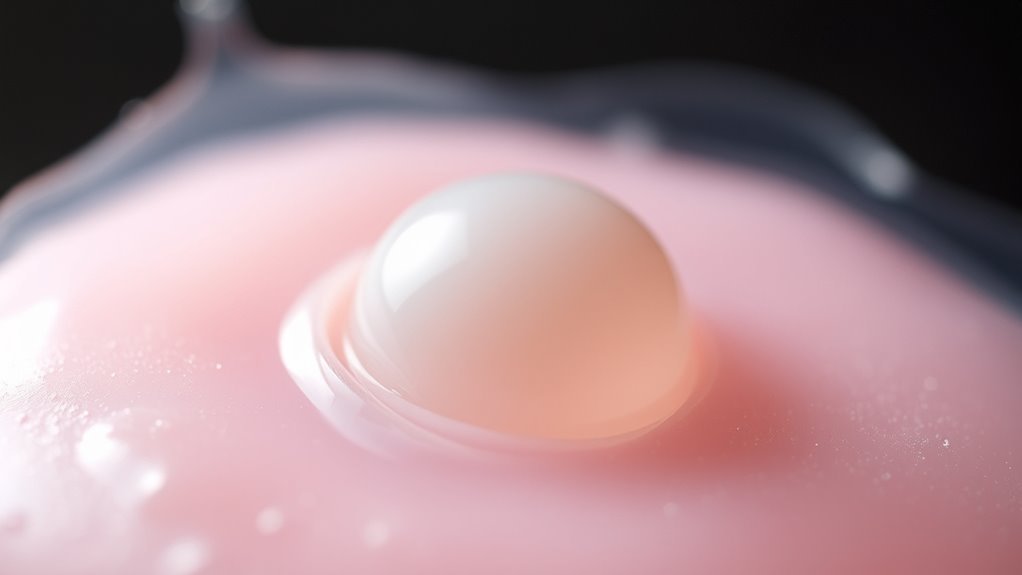
Although your body initially ramps up progesterone and estrogen to support a potential pregnancy, those hormone levels drop sharply when fertilization doesn’t occur. This decline in progesterone and estrogen signals the cycle decline, prompting hormonal shifts that stop maintaining the thickened endometrial lining.
As hormone levels fall, your uterine lining can no longer be sustained, leading to its shedding during menstruation. These hormonal changes mark the end of the current menstrual cycle and prepare your body for a new one.
The drop in progesterone is particularly pivotal, as it triggers the breakdown of the endometrial tissue. This shift in hormone levels causes typical symptoms like cramping and mood changes, all part of the natural progression of your menstrual cycle when fertilization fails to happen.
Why the Uterine Lining Sheds Without Fertilization
Because your body detects a drop in progesterone and estrogen after the egg isn’t fertilized, it stops supporting the thickened uterine lining. Following ovulation, if fertilization doesn’t occur, the egg disintegrates within 12-24 hours, triggering a hormonal decline.
This decrease in key hormones—progesterone and estrogen—signals your body to break down the uterine lining that had thickened to potentially support a pregnancy. As the lining sheds, menstrual bleeding begins, marking the start of a new menstrual cycle.
This shedding is a natural part of your body’s response to the absence of fertilization and guarantees the uterus resets for the next cycle. Understanding this process helps clarify why menstrual bleeding occurs regularly, even when no pregnancy has taken place.
When to See a Doctor for Menstrual Issues After Ovulation
If you notice irregular, heavy, or absent periods after ovulation, it’s important to consult a healthcare provider to rule out any underlying menstrual issues. Menstrual irregularities like abnormal bleeding, spotting, or amenorrhea—absence of menstruation for three or more months—may signal hormonal imbalances or ovary dysfunction affecting your reproductive health.
Pay attention if your menstrual cycle is consistently shorter than 21 days or longer than 35 days, or if you experience severe cramps. Since fertilization impacts your cycle, disruptions after ovulation can indicate problems needing evaluation.
Timely consultation helps identify causes such as hormonal imbalances or ovary-related concerns and ensures proper management. Don’t ignore persistent menstrual issues; addressing them early supports your overall reproductive well-being.
Frequently Asked Questions
How Long Can an Egg Survive if It Is Not Fertilized?
An unfertilized egg can survive about 12 to 24 hours after ovulation. If you don’t fertilize it within that time, it will break down and your body will prepare for your next cycle.
What Happens if an Egg Doesn’t Fertilize?
If your egg doesn’t fertilize, it breaks down and your body absorbs it. This triggers hormonal changes that cause your uterine lining to shed, starting your menstrual period and preparing you for the next cycle.
What Happens After the Egg Isn’t Fertilized?
You might wonder what happens next—your body quickly breaks down the egg, hormones drop, and soon, your uterus sheds its lining.
This reset sparks a new cycle, preparing you for the next chance at pregnancy.
Do Unfertilized Eggs Come Out During Your Period?
No, unfertilized eggs don’t come out during your period. Instead, your body breaks them down and reabsorbs them.
What you see is actually shedding of your uterine lining, not the egg itself.
Conclusion
If the egg isn’t fertilized, your body gracefully resets, like a quiet curtain falling after a brief performance. The egg disintegrates, hormones shift, and your uterine lining sheds, preparing you for the next act in your cycle.
It’s nature’s way of turning the page, reminding you that every ending is just a new beginning. But if your body’s rhythm feels off, don’t hesitate to see a doctor—your health deserves a standing ovation.
Understanding what happens if the egg is not fertilized helps you stay in tune with your body. Paying attention to these natural processes can guide you in maintaining your reproductive health and overall well-being.