When Do Barred Rock Hens Start Laying Eggs How to Guide
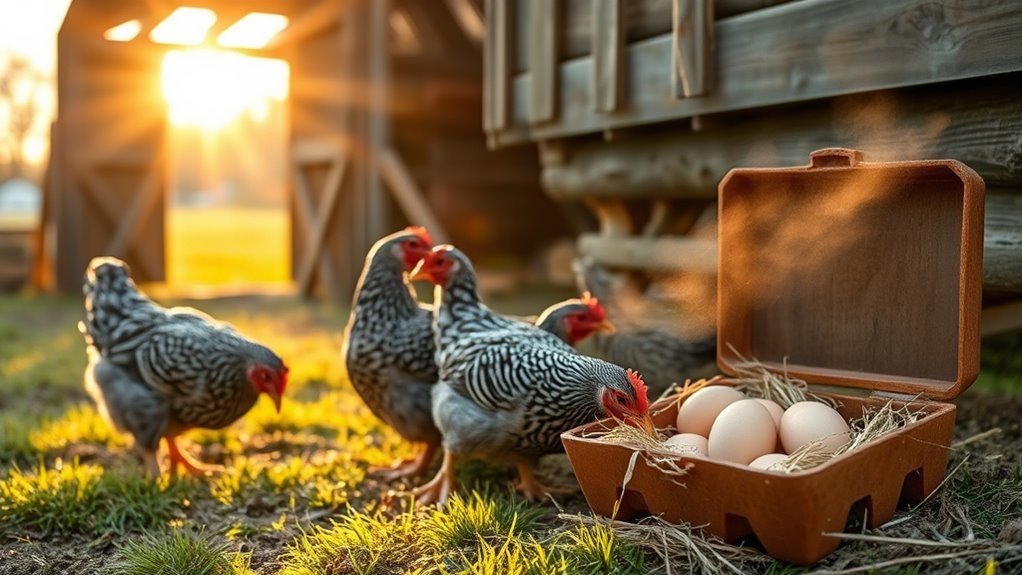
Barred Rock hens typically start laying eggs between 18 and 20 weeks old. This stage is often marked by bright red combs and noticeable nesting behavior. You’ll observe them exploring nest boxes and laying small, irregular eggs at first.
To support early laying, provide a balanced diet with added calcium and ensure they receive 14-16 hours of light daily. Creating cozy, clean nesting spots also encourages consistent laying.
If your hens lay late or irregularly, simple adjustments to their diet and environment can help. Keep following for tips on optimizing their egg production journey.
When Do Barred Rock Hens Usually Start Laying Eggs?
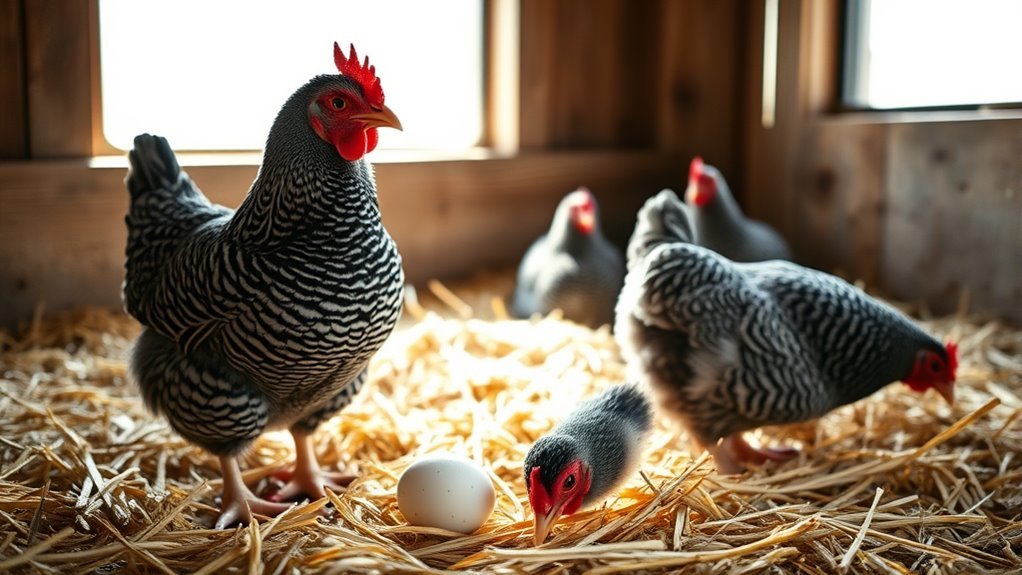
While individual hens can vary, you can generally expect your Barred Rock hen to start laying eggs between 16 and 20 weeks of age. Most young hens begin laying around 18 to 20 weeks, which is about 4.5 to 5 months old. Some barred rocks might surprise you by laying as early as 16 weeks, but others may take a bit longer, up to 24 weeks.
This variation depends largely on the hen’s health and environment. Compared to lighter breeds, barred rocks usually start laying eggs a little later, but once they begin, their egg production tends to be steady and reliable. Knowing this timeline helps you plan for when your young hens will start contributing fresh eggs to your coop.
Why Do Some Barred Rocks Start Laying Later Than Others?
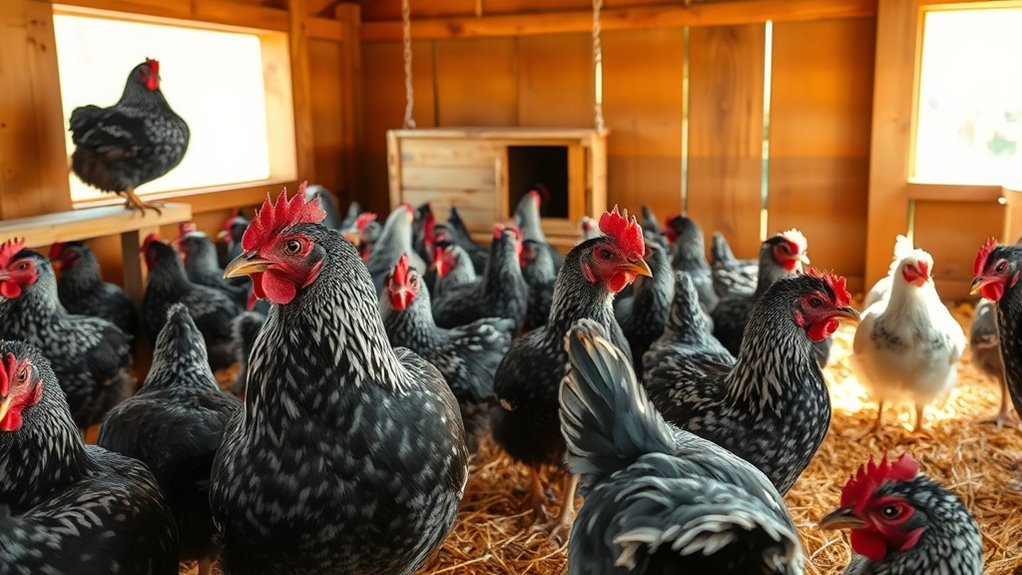
Because each Barred Rock hen develops at her own pace, some start laying eggs later than others. Late bloomers often show slower growth of combs and wattles, indicating delayed reproductive maturity. Environmental factors like lighting, temperature, and stress can also postpone egg laying.
Nutritional imbalances and genetics play key roles in when your hen begins laying. Understanding these influences helps you be patient with hens who start later.
| Cause | Effect on Laying | Indicators |
|---|---|---|
| Genetic Variation | Delayed maturity | Smaller combs and wattles |
| Environmental Factors | Stress or poor lighting delays | Reduced activity |
| Nutrition | Slower growth, postponed laying | Dull feathers, low energy |
How To Recognize When Your Barred Rock Is Ready To Lay
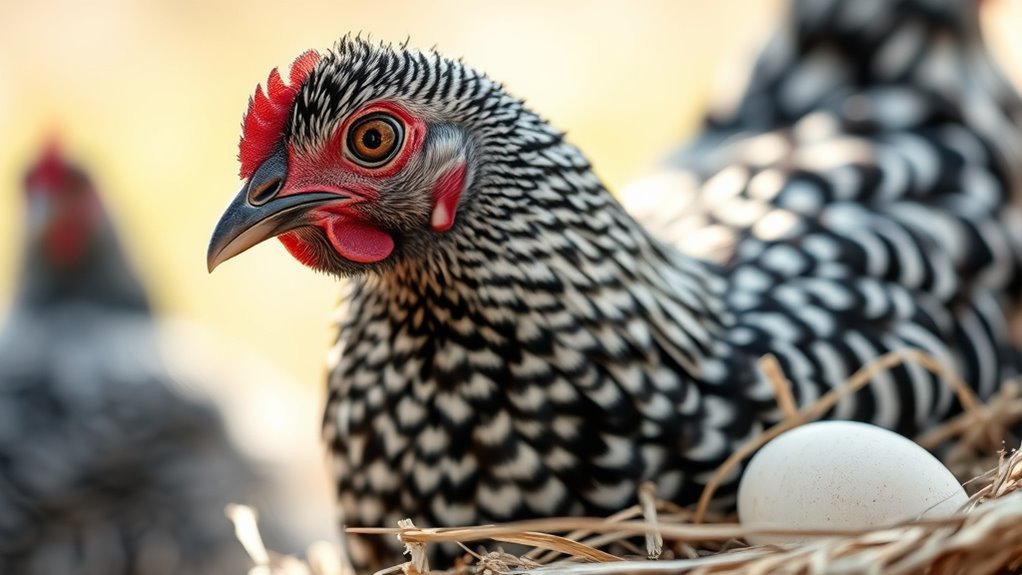
When your Barred Rock’s comb and wattles turn bright red and swollen, it’s a clear sign she’s ready to start laying eggs. Along with these combs changes, watch for physical signs like a fuller vent area and increased nesting behavior. You might notice her squatting when you approach or handle her—this hormonal shift signals readiness to lay.
Increased activity around nesting boxes and pecking at bedding are also clues she’s preparing. Keep an eye on her first eggs; the egg color often reflects her maturity and breed traits. These signs usually appear between 16 and 20 weeks, helping you recognize when your Barred Rock is ready to begin laying consistently and maintain a healthy laying routine.
What Diet Changes Support Egg Laying In Barred Rocks
As your Barred Rock approaches laying age, switch to a layer-specific feed to meet her changing nutritional needs.
Adding calcium supplements like crushed oyster shells helps build strong eggshells and keeps her laying consistently.
Making these diet modifications guarantees she gets the right balance to support healthy egg production.
Layer Feed Transition
Before you switch your Barred Rock hens to layer feed, watch for physical signs like enlarged combs and increased activity that show they’re approaching laying age. Typically, hens between 16-20 weeks old are ready for this changeover.
Layer feed contains higher calcium and essential nutrients that support strong eggshells and reproductive health, vital as your hens start laying. To avoid digestive upset, introduce layer feed gradually over a week by mixing it with their current grower feed, slowly increasing the layer feed portion.
Maintaining a consistent layer feed diet ensures steady egg production and prevents nutrient deficiencies that could delay laying. By carefully managing this changeover, you’ll help your Barred Rock hens thrive as they move into their productive laying phase.
Calcium Supplementation Benefits
Once your Barred Rock hens start eating layer feed, you’ll want to focus on their calcium intake to support strong eggshell production. Proper calcium supplementation is key to maintaining their health and ensuring consistent egg laying.
Here’s how you can support their diet:
- Provide oyster shells or crushed eggshells free-choice to meet calcium needs naturally.
- Switch to layer-specific feed at 16-20 weeks to boost calcium for eggshell formation.
- Keep calcium intake steady to avoid thin eggshells and internal laying problems.
- Avoid over-supplementing calcium to prevent kidney and other health issues.
How To Set Up Nest Boxes To Encourage Early Barred Rock Laying
To encourage early laying, place your nest boxes higher than the roosts and keep them cozy with clean straw or shredded paper. Make sure the boxes are dark and quiet to help your hens feel safe.
You can also use dummy eggs to attract them and establish a routine.
Ideal Nest Box Placement
When you set up nest boxes for your Barred Rock hens, placing them 18 to 24 inches off the ground and higher than the roosts helps keep hens from sleeping inside. Proper placement encourages hens to lay eggs comfortably and reduces stress.
To optimize nest box use, follow these steps:
- Position nest boxes in a quiet, dim corner of the coop to create a calming space for hens to lay eggs.
- Use clean, comfortable bedding like straw or wood shavings to make the nest boxes inviting.
- Ensure nest boxes are evenly spaced and accessible from multiple points to minimize competition.
- Install removable lids for easy egg collection and maintenance, keeping the boxes clean and dry.
This setup promotes early laying and keeps your Barred Rocks happy and productive.
Nest Box Comfort Tips
Setting up nest boxes properly goes beyond placement—you’ll want to create a cozy, inviting space that encourages your Barred Rock hens to lay eggs early and often. Fill the nest boxes with clean, soft bedding like straw or wood shavings to provide comfort and a gentle surface for egg-laying.
Position them in a quiet, dark corner away from busy coop areas to reduce stress and promote nesting behavior. Keep the nest boxes dry and clean by regularly removing old eggs and soiled bedding.
Also, provide at least one nest box for every 3-4 hens to prevent overcrowding and competition, ensuring each hen feels safe and comfortable. These simple nest box comfort tips make a big difference in encouraging early and consistent egg-laying.
Using Dummy Eggs
Although encouraging your Barred Rock hens to lay eggs early can be challenging, using dummy eggs in the nest boxes can make a significant difference. Dummy eggs mimic real ones, signaling to your hens that the nest is a safe, cozy environment for laying eggs.
To set up your nest boxes effectively:
- Place clean, smooth dummy eggs or golf balls inside each nest box.
- Position nest boxes higher than the roosts for easy access.
- Keep the area quiet and dimly lit to reduce stress.
- Use soft bedding like straw or pine shavings to create a cozy environment.
Regularly removing real eggs prevents hens from hesitating to lay there. This simple setup encourages early laying and helps your Barred Rocks feel comfortable and secure.
How Lighting And Environment Affect Barred Rock Laying
Because Barred Rock hens rely heavily on light cues to regulate their laying cycles, providing around 14 to 16 hours of light daily can help you stimulate consistent egg production. Shorter daylight hours during fall and winter slow down laying, but supplementing with artificial lighting mimics longer days and keeps hens laying.
The environment also plays an essential role—extreme heat or cold stresses hens and disrupts laying. Maintaining a stable, comfortable environment ensures steady egg production.
| Factor | Effect on Laying | Recommendation |
|---|---|---|
| Lighting | Stimulates hormone release | Provide 14-16 hours light daily |
| Daylight Hours | Shorter hours reduce laying | Use supplemental lighting |
| Environment | Stress disrupts laying | Keep temperature stable |
How To Handle Irregular Or Delayed Barred Rock Laying
If your Barred Rock hens start laying irregularly or delay their first eggs, you can take steps to encourage a more consistent pattern. Irregular laying often results from stress, nutritional gaps, or environmental changes. Here’s how you can help:
- Provide a steady supply of calcium, like oyster shells, to support strong eggshells.
- Maintain a balanced feeding routine with quality layer feed to meet their nutritional needs.
- Minimize stress by creating a calm environment—limit handling and protect hens from predators.
- Use nesting aids such as fake eggs to encourage laying in specific spots, reducing confusion.
Key Tips To Maintain Consistent, Healthy Laying Cycles In Barred Rocks
To keep your Barred Rock hens laying consistently and healthily, you need to focus on their diet, environment, and overall well-being. Start by providing a balanced diet rich in nutrients, especially calcium sources like oyster shells, to support strong eggshells. Maintain proper lighting with 14-16 hours of light daily to stimulate regular laying cycles.
Ensure nesting areas are clean, comfortable, and easy for hens to access, encouraging them to lay eggs without stress. Avoid sudden changes in temperature or environment, as stress can disrupt laying patterns. Regularly monitor your hens for signs of health issues or nutritional deficiencies that might affect laying.
Frequently Asked Questions
How Long Does It Take for Barred Rock Chickens to Lay Eggs?
You’ll see your Barred Rock hens start laying eggs around 16 to 20 weeks old, usually closer to 18 weeks. Some might take up to 24 weeks, depending on diet, environment, and individual growth.
How Do You Tell When Your Chickens Are Ready to Start Laying Eggs?
You know your chickens are ready when their combs brighten, their wattles swell, and they explore nesting boxes.
You’ll notice fuller vents, increased vocalizations, and nesting behaviors signaling they’re about to start laying eggs.
How to Encourage Your Hens to Lay Eggs?
You encourage your hens to lay eggs by providing high-quality feed, free-choice calcium, clean and comfy nest boxes with fake eggs.
Minimizing stress and keeping their environment calm, shaded, and well-watered also supports consistent laying habits.
What Do Chickens Do Right Before They Lay an Egg?
Did you know hens can lay over 250 eggs yearly? Right before laying, your chicken squats, gets vocal, explores nesting boxes, and shows brighter combs.
You might even spot a small “false egg” signaling her first real one’s near.
Conclusion
Now that you know when and how your Barred Rock hens start laying, you’re well on your way to a steady supply of fresh eggs. Remember, patience is key—don’t count your chickens before they hatch. By adjusting their diet, lighting, and environment, you’ll encourage healthy, consistent laying cycles.
Keep a close eye on their behavior and nest setup, and you’ll enjoy the rewarding experience of caring for happy, productive hens. Understanding when do Barred Rock hens start laying eggs helps you provide the best care possible.
With proper management, your Barred Rock hens will become reliable layers, ensuring a continual supply of fresh eggs for your household.