5 Reasons Ceramic or Stainless Steel Pans Are Better
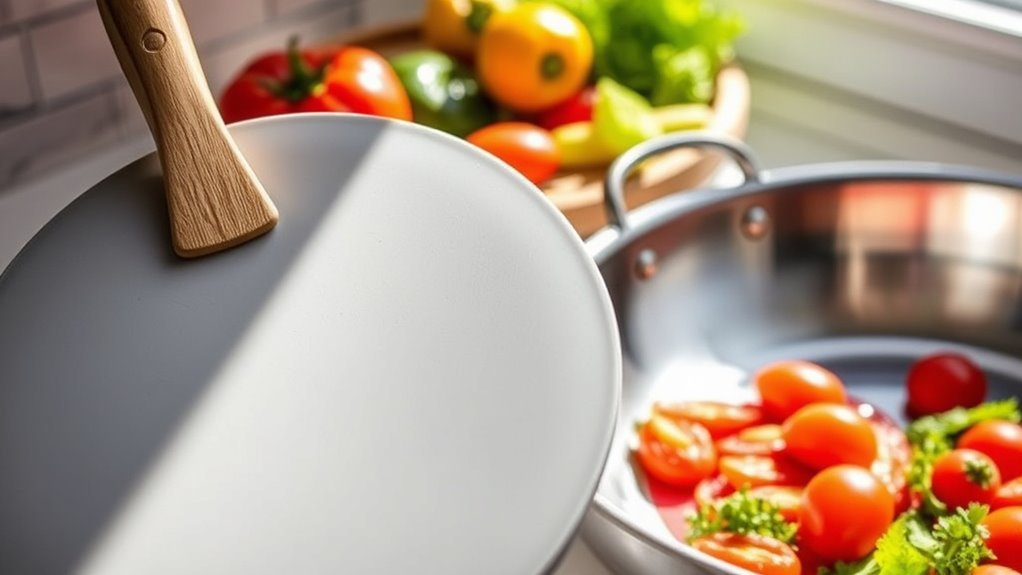
You’ll appreciate ceramic pans for their superior non-stick surface and chemical-free safety, perfect for easy, gentle cleaning. These features make ceramic cookware a popular choice for health-conscious cooks and those seeking hassle-free maintenance.
Stainless steel, however, excels in durability, resisting warping and lasting decades even with tough cleaning options. Its robust nature makes it ideal for high-heat cooking and professional kitchens.
While ceramic pans are budget-friendly upfront, their shorter lifespan can mean more replacements over time. Stainless steel requires a higher initial investment but offers long-term value and reliability.
If you want cookware that suits your style and needs, exploring these differences can help you choose wisely. Understanding the benefits of ceramic and stainless steel pans ensures you pick the best fit for your kitchen.
Ceramic vs Stainless Steel: Cooking and Cleanup Ease

While ceramic pans need gentle hand-washing with non-abrasive cleaners to avoid damaging their delicate coating, stainless steel pans let you tackle cleanup more aggressively, even in the dishwasher or with metal scrubbers.
You’ll find ceramic pans offer an easy-to-clean surface initially, thanks to their non-stick coating, but you must avoid harsh tools to preserve their scratch resistance.
In contrast, stainless steel cookware is highly durable and dishwasher safe, so cleanup and maintenance fit well into busy routines. Its sturdy construction withstands scrubbing pads and metal utensils without damage.
Durability and Maintenance: Which Pan Lasts Longer?

If you prioritize long-term use, durability becomes a key factor in choosing between ceramic and stainless steel pans. Stainless steel pans offer exceptional durability, resisting warping, scratching, and staining over decades with proper maintenance. Their robust construction ensures they remain functional and look good despite daily wear and tear.
On the other hand, ceramic coatings tend to chip and wear out within 1-3 years, even with careful use like hand-washing and silicone utensils. Since ceramic coatings naturally degrade over time, their lifespan is limited compared to stainless steel. While ceramic pans require more frequent replacement, stainless steel pans stand out as truly long-lasting cookware.
If durability and low maintenance matter most, stainless steel pans will serve you better in the long run.
Safety and Environmental Impact of Ceramic and Stainless Steel Pans

Because you want cookware that’s both safe and eco-friendly, it’s important to compare ceramic and stainless steel pans carefully. Ceramic pans offer a non-toxic, chemical-free cooking surface free from PFAS, PFOA, lead, and cadmium, appealing to health-conscious cooks. However, their ceramic coating may chip after a few years, raising safety concerns with potential particle release.
Stainless steel pans, known for durability, don’t leach harmful substances, though minor nickel or chromium traces can occur if damaged. Their longevity means less frequent replacement, reducing environmental impact. While both avoid “forever chemicals,” ceramic’s shorter lifespan may increase waste.
Ultimately, stainless steel pans provide a safer, longer-lasting, and more eco-friendly option if you prioritize durability and minimal environmental impact alongside your health.
Non-Stick Performance Compared: Ceramic or Stainless Steel?
Although stainless steel pans don’t come with a built-in non-stick surface, you can achieve a good non-stick effect by preheating properly and using oil, along with the right cooking techniques.
Ceramic pans offer superior non-stick performance right out of the box, especially for delicate foods like eggs and pancakes. However, their non-stick coating is prone to wear and tear, with coating longevity typically lasting 2-5 years.
Ceramic coatings also face issues with scratch resistance, which can reduce their effectiveness over time. In contrast, stainless steel pans rely on technique rather than a coating, offering greater durability and resistance to scratches.
While ceramic pans excel initially, stainless steel pans provide lasting performance if you master the cooking techniques needed to minimize sticking.
Balancing Cost and Value for Your Cooking Needs
Choosing between ceramic and stainless steel pans isn’t just about cooking performance—it also comes down to how much you’re willing to invest now and over time. Ceramic pans have a lower initial price, making them appealing if you’re on a tight budget. However, their shorter longevity means frequent replacement, which can raise the total cost.
On the other hand, stainless steel offers superior durability and long-lasting value. Though the initial price is higher—typically $20-$50 per piece—this investment pays off as these pans can last over 20 years. If you cook often and want reliable cookware, stainless steel’s longevity justifies the upfront cost.
Balancing cost and value means evaluating your cooking habits and budget to decide which investment aligns best with your kitchen needs.
Frequently Asked Questions
Which Is Healthier, Ceramic or Stainless Steel Cookware?
You’ll find ceramic cookware generally healthier because it’s free from harmful chemicals and non-reactive, making it safer for sensitive individuals.
Stainless steel is safe too, but it might release metals if it’s low quality or damaged.
What Is the Downside of Ceramic Pans?
The downside of ceramic pans is they wear out quickly, losing their non-stick coating in just a few years.
You’ll need to handle them gently, avoiding rapid temperature changes and abrasive scrubbing to prevent damage.
Do Professional Chefs Use Ceramic Cookware?
You probably didn’t know, over 90% of professional chefs choose stainless steel over ceramic. They don’t use ceramic much because it wears out quickly and can’t handle high heat like stainless steel can.
What Is the Healthiest Cookware to Use?
You’ll find stainless steel and ceramic cookware healthiest since they don’t release harmful chemicals. Just avoid damaged ceramic coatings, and choose quality stainless steel for durability and safe, non-reactive cooking every time you prepare meals.
Conclusion
When choosing between ceramic and stainless steel pans, consider what truly matters to you. While ceramic’s non-stick surface feels effortless, stainless steel’s durability and versatility often outlast expectations.
You might think ceramic’s eco-friendly appeal makes it the clear winner, but stainless steel’s recyclability and longevity challenge that notion.
Ultimately, both have strengths—so weigh your cooking style and priorities to pick the pan that fits your kitchen and values best. Remember, ceramic and stainless steel pans each offer unique benefits that can enhance your cooking experience.