How to Get Rid of a Goose Egg Quickly and Safely
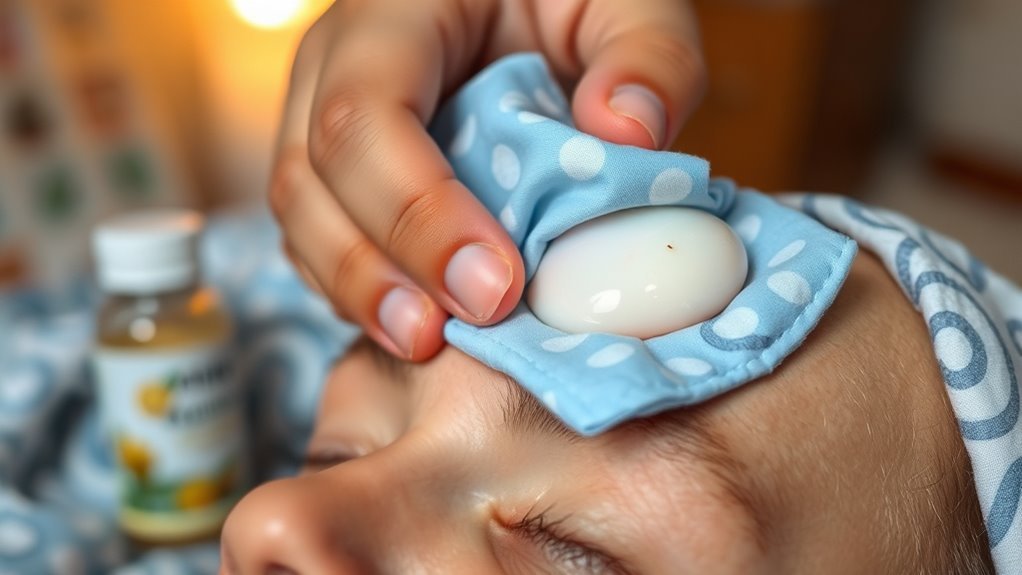
To get rid of a goose egg quickly and safely, start by applying a cold compress wrapped in cloth for 15-20 minutes to reduce swelling. Using a cold compress is one of the most effective home remedies for a goose egg.
Keep your head elevated to help minimize puffiness, and take over-the-counter pain relievers like acetaminophen if needed.
Avoid NSAIDs unless your doctor says it’s okay. These medications might increase bleeding or bruising.
Watch for any signs of serious issues such as severe pain, vision changes, or persistent swelling.
If you want to know the causes of a goose egg and when to seek medical help, there’s more important info ahead. Prompt care can prevent complications and ensure proper healing.
How to Treat a Goose Egg Safely

Although a goose egg can be painful and unsightly, you can treat it safely by applying an ice pack wrapped in a cloth for 15-20 minutes every half hour during the first few hours to reduce swelling. This swelling reduction helps minimize discomfort from the head bump caused by minor head trauma or a head injury.
Keep your head elevated and avoid vigorous activity to prevent further swelling. Use over-the-counter pain relievers like acetaminophen to manage pain, but avoid NSAIDs unless your doctor advises otherwise. It’s *essential* to monitor symptoms closely—if swelling worsens, headaches persist, or confusion sets in, seek medical care immediately.
What Causes a Goose Egg on Your Head?

When you notice a goose egg forming on your head after a bump, it’s helpful to understand what causes it. A goose egg results from a hematoma, which happens when small blood vessels under the scalp rupture due to head trauma or a bump on the head. This causes blood to get trapped beneath the scalp, leading to swelling and that characteristic egg-shaped lump.
Common head bump causes include falls, collisions, or other head injuries. While a scalp injury typically causes a goose egg, some lumps that look similar might be cysts, lipomas, or bone malformations unrelated to trauma. Insect bites can also mimic small bumps but usually don’t cause the swelling seen with a goose egg.
Recognizing these causes helps you respond appropriately to your head injury.
Warning Signs for a Goose Egg: When to Seek Medical Help

How do you know if your goose egg needs medical attention? After a head injury, watch closely for serious symptoms that signal a brain injury. You should seek medical help immediately if you notice:
After a head injury, monitor for serious symptoms indicating brain injury and seek medical help immediately.
- Loss of consciousness, confusion, or disorientation
- Worsening headache, persistent vomiting, or vision changes
- Rapid enlargement of the bump, extreme tenderness, or signs of infection like redness or blood
- Unusual behavior, extreme drowsiness, or difficulty waking
- Inability of young children to communicate symptoms effectively
If any of these occur, don’t hesitate to visit urgent care or call a healthcare provider. Prompt evaluation is essential to prevent complications and ensure proper treatment after a goose egg.
Effective Home Remedies to Reduce Goose Egg Swelling
To reduce the swelling of a goose egg effectively, start by applying a cold compress or ice pack wrapped in a cloth to the injured area for 15-20 minutes. Repeat this every 30 minutes during the first few hours to control swelling.
Elevate your head while resting to reduce blood flow and inflammation. Use over-the-counter pain relievers to ease pain and reduce inflammation. Monitor the bump closely for increased swelling or pain.
| Remedy | Purpose | Frequency |
|---|---|---|
| Ice pack | Reduce swelling | Every 30 minutes |
| Elevation | Minimize blood flow | While resting |
| Pain relievers | Alleviate pain/inflammation | As directed |
Apply these remedies promptly to manage your injury safely and effectively.
Preventing Goose Eggs: Protect Your Head
Although accidents happen, you can greatly reduce the chance of developing a goose egg by taking proactive safety measures. To protect your head and prevent head injuries, focus on head safety and minimizing head impact risks.
Here’s how you can prevent head bumps and bumps to the head:
- Wear helmets during sports, cycling, or construction to shield against head trauma.
- Install handrails, grab bars, and non-slip mats to avoid falls causing head injury.
- Keep walkways clear of clutter and loose rugs to prevent accidental head impact.
- Ensure good lighting in stairwells and hallways for better visibility and fall prevention.
- Supervise children closely and use proper car seats and safety straps during travel.
If you do get a bump, promptly apply an ice pack to reduce swelling and ease discomfort.
Frequently Asked Questions
How to Get Rid of a Goose Egg Fast?
You can reduce a goose egg fast by applying an ice pack wrapped in cloth for 15-20 minutes each hour, taking pain relievers, keeping your head elevated, and resting.
Avoid heat or massage to prevent more swelling.
How to Get a Goose Egg Bump to Go Down?
You can get a goose egg bump to go down by applying a cold compress regularly, keeping your head elevated, avoiding strenuous activity, and taking pain relievers.
Gently massage around it, but don’t press directly on the swelling.
How Long Does It Take for a Goose Egg to Go Away?
A goose egg usually takes a few days to a week to go away. You can expect mild bumps to fade within 24-72 hours, but larger ones might take up to two weeks to fully heal.
What Is the Fastest Way to Dissolve a Hematoma?
To dissolve a hematoma fastest, apply a cold compress immediately, then switch to warm compresses after 48 hours. Elevate the area, stay hydrated, and consider arnica or bromelain supplements to speed healing safely.
Conclusion
Dealing with a goose egg can feel like a sudden storm on a calm day, but with the right care, you’ll calm the swelling quickly and safely. Remember, your head is more than just a spot for bumps—it’s where your thoughts live. Treat it gently, watch for warning signs, and use home remedies wisely.
Protect yourself to keep those unexpected storms from clouding your clear skies again. Effective treatment and quick care are essential to get rid of a goose egg quickly and safely. Following these steps will help reduce swelling and promote healing without complications.