How to Get Rid of Roach Eggs Step by Step
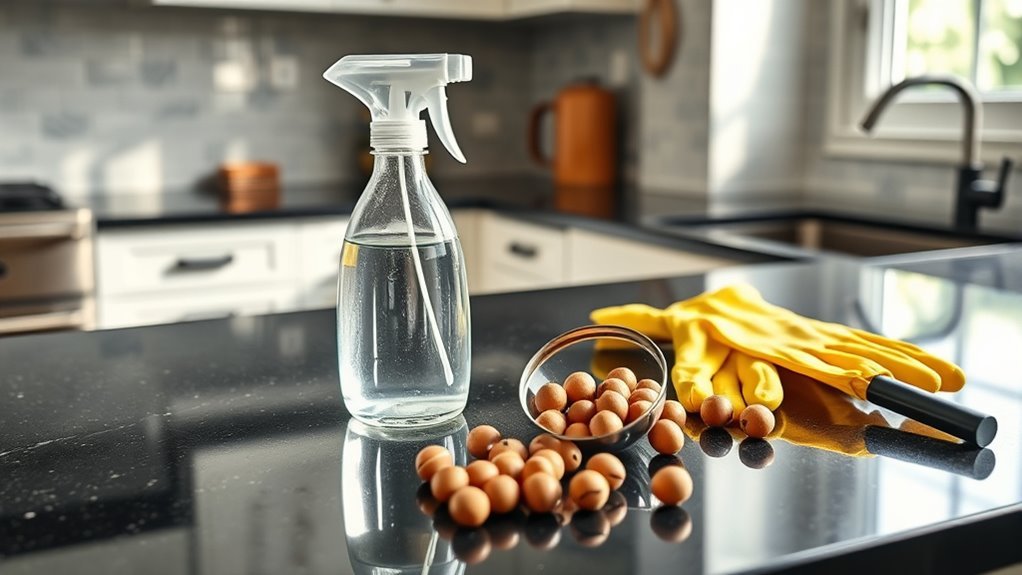
To get rid of roach eggs effectively, begin by carefully inspecting dark, moist spots such as cracks, crevices, and behind appliances where roach egg cases are commonly found. Wearing gloves, use a vacuum or carefully crush the eggs, then seal them in a plastic bag for outdoor disposal to prevent spreading.
Next, apply boric acid or an insect growth regulator to areas where eggs might hatch, which helps stop the development of new roaches. Seal any entry points, including gaps and cracks, to prevent more roaches from entering and laying eggs inside your home.
Set bait stations to target adult roaches, reducing the population and preventing further egg laying. Maintaining a clean and dry environment is crucial, as it discourages roaches from establishing infestations.
Following these steps thoroughly will help you eliminate roach eggs and keep your home pest-free.
How to Spot Roach Eggs in Your Home

When you want to spot roach eggs in your home, start by looking for oothecae—the hardened egg capsules that vary in color from brown to reddish or black depending on the species. These egg casings are often hidden in dark, moist areas, so you’ll need to inspect dark spots carefully.
Check cracks and crevices, behind appliances, and inside cabinets where roaches like to lay their eggs. The German cockroach’s oothecae are small and light brown, while American and Oriental roach egg cases tend to be larger and darker. Spotting these egg casings is one of the clearest signs of roaches in your home.
Where Roaches Usually Hide Their Egg Cases

Because roaches prefer dark, secluded spots, their egg cases are usually hidden in places like behind appliances, inside cabinets, and within cracks and crevices. You’ll often find them under sinks, near plumbing, or along baseboards where moisture lingers.
Cluttered areas such as stacked boxes or paper piles provide excellent shelter and insulation for eggs. Appliances and drawers, especially in kitchens and bathrooms, also serve as hidden egg-laying spots. Roaches may even deposit eggs in hard-to-reach cracks near water sources or inside wall voids.
| Location Type | Common Spots |
|---|---|
| Appliances | Behind refrigerators, ovens |
| Cabinets | Under sinks, plumbing areas |
| Cracks & Crevices | Baseboards, wall voids |
| Cluttered Spaces | Stacked boxes, paper piles |
| Water-Related Areas | Drains, sewer access points |
How to Safely Remove and Destroy Roach Eggs

You’ll want to start by carefully locating roach egg cases using a flashlight and gloves, checking cracks, crevices, and behind appliances. Once found, vacuum or crush the eggs and seal them in a plastic bag to prevent spreading.
Applying treatments like diatomaceous earth or insect growth regulators can help destroy any remaining eggs and stop future hatching.
Locating Roach Egg Cases
Where do roach egg cases usually hide? You’ll often find them in dark moist spots like behind appliances, under sinks, and inside cracks and crevices. To locate these hidden egg cases, inspect areas such as baseboards, cabinets, and drainage zones regularly.
Roaches prefer to lay eggs where they’re least likely to be disturbed, so thorough inspection is key. Use a flashlight to spot egg cases in hard-to-see places, making sure you don’t miss any that blend into shadows. By carefully checking these common hiding spots, you can find and deal with roach egg cases early, preventing a full-blown infestation.
Staying vigilant and knowing where to look makes locating and later removing roach eggs much easier and more effective.
Effective Egg Destruction Methods
Once you’ve located the roach egg cases, it is crucial to remove and destroy them carefully to prevent new infestations. To effectively get rid of roach eggs, follow these steps:
- Inspect hiding spots thoroughly and use gloves or a vacuum to safely remove and dispose of egg cases in a sealed bag outdoors.
- Crush eggs manually with a tool or paper towel to prevent hatching, then clean up any debris immediately.
- Apply boric acid or use diatomaceous earth directly on egg hiding spots to dehydrate and kill remaining eggs.
How to Use Boric Acid to Kill Roach Eggs
You’ll want to apply boric acid in thin layers along cracks, crevices, and under appliances where roach eggs hide. Using a gel or powder form can increase its effectiveness, but always keep safety in mind to protect kids and pets.
Following these tips will help you target roach eggs while minimizing risks.
Boric Acid Application Tips
Although boric acid is a powerful tool against roach eggs, applying it correctly is essential for maximum effectiveness. Follow these boric acid application tips to ensure you get the best results:
- Apply a thin, even layer of boric acid in cracks and crevices where roach eggs and adults hide. Avoid thick piles, as roaches avoid them.
- Use food-grade boric acid for safety, and place it in areas inaccessible to children and pets to prevent accidental ingestion.
- Keep the boric acid dry, as moisture reduces its effectiveness. Check regularly and perform reapplication as needed to maintain a protective barrier.
Effective Areas To Treat
When targeting roach eggs, focus on applying boric acid in hidden, moist areas where roaches prefer to lay their eggs. Sprinkle the powder lightly in cracks and crevices, hidden corners, and along baseboards. Don’t forget to treat behind appliances and under sinks, as these spots provide ideal shelter.
Pay special attention to plumbing fixtures, which often harbor roaches and their eggs in voids and tight spaces. Use a brush or broom to push boric acid into these hard-to-reach areas, ensuring maximum contact with egg cases. Keep the powder dry to maintain its effectiveness and reapply regularly, especially if it gets disturbed or the environment becomes humid.
Treating these specific areas will help you eliminate roach eggs thoroughly and prevent future infestations.
Safety Precautions And Usage
Since boric acid can irritate your skin and lungs, always wear gloves and a mask when handling it. Taking proper safety precautions helps protect your home and keeps you safe while dealing with roach eggs.
Follow these guidelines for effective and safe use:
- Apply boric acid in thin, dry layers in cracks and crevices where roach eggs hide.
- Clean and dry surfaces before application to boost effectiveness.
- Store boric acid out of reach of children and pets to prevent ingestion.
How to Apply Insect Growth Regulators to Stop Roach Eggs
To stop roach eggs from developing, you’ll want to apply Insect Growth Regulators (IGRs) directly to their hiding spots like cracks and crevices. These products disrupt development by mimicking juvenile hormones, preventing eggs from maturing properly. For effective application, target areas where roach eggs are likely hidden, such as behind appliances and along baseboards.
Always follow safety precautions on the label, including wearing gloves and ensuring proper ventilation. Repeated application over several weeks is essential since IGRs gradually sterilize eggs and stop nymph growth. Consistent use alongside other methods boosts your chances of breaking the roach reproductive cycle.
How to Use Vacuuming and Cleaning to Prevent Egg Hatching
You’ll want to vacuum thoroughly using a HEPA-filter vacuum, focusing on spots like behind appliances and under sinks where roach eggs hide.
After vacuuming, wipe down surfaces with soap and water or disinfectant to remove any leftover eggs.
This consistent cleaning method helps stop eggs from hatching and breaks the roach life cycle.
Effective Vacuuming Techniques
Although vacuuming alone won’t eliminate roach eggs completely, using a vacuum cleaner with a HEPA filter lets you effectively remove eggs, adult roaches, and shed skins from cracks and hidden crevices.
To maximize your efforts:
- Target common hiding spots like under sinks, behind appliances, and along baseboards to remove egg cases.
- After vacuuming, immediately seal the vacuum bag or empty the canister into a plastic bag and dispose outdoors to prevent egg hatching.
- Practice regular vacuuming at least once a week to catch newly laid roach eggs and reduce infestation.
Cleaning Surfaces Thoroughly
Since vacuuming removes most roach eggs and debris, combining it with thorough surface cleaning guarantees you eliminate any leftovers that could hatch. After vacuuming, wipe down all surfaces with soap and disinfectants to clean surfaces and eliminate eggs that might cling to countertops, cabinets, and appliances.
Pay special attention to food residues, which attract roaches and support egg development. Regularly cleaning these areas reduces the chance of hatchlings surviving. Also, focus on sealing cracks and cleaning cluttered spaces like drawers, under sinks, and behind appliances to remove hiding spots.
This combination of vacuuming and meticulous cleaning not only removes visible eggs but also disrupts the roaches’ environment, preventing new eggs from developing and ensuring your space stays roach-free.
Seal Cracks and Entry Points to Prevent Roach Eggs
To keep roaches from laying eggs in your home, seal every crack and gap around windows, doors, pipes, and the foundation with caulk or weatherstripping. Addressing these entry points is vital to prevent roaches from sneaking in and starting a roach infestation.
Here’s how to seal cracks and gaps effectively:
- Inspect baseboards, wall voids, and utility openings regularly, sealing visible cracks and holes with appropriate sealants.
- Use foam sealant for larger gaps around pipes and wiring to block hidden entry points.
- Install door sweeps on exterior doors and replace damaged weatherstripping to seal gaps that roaches can exploit.
How to Use Baits and Traps to Kill Roaches and Roach Eggs
Sealing cracks and gaps keeps roaches from entering your home, but once they’re inside, using baits and traps helps target both adults and their eggs. Place bait stations and gel traps near hiding spots like under sinks and behind appliances to attract roaches and emerging nymphs from roach eggs.
Choose traps with strong adhesive and bait gels containing attractants such as food scents for effective control. Position traps in dark, moist areas where roaches reproduce, maximizing capture rates. Remember to monitor these traps regularly and replace bait and traps every 2-4 weeks to maintain control.
Combining baiting with sealing entry points and good sanitation guarantees a thorough approach to eliminating roaches and preventing egg hatching.
When to Call a Professional for Roach Egg Control
If you keep spotting roaches or finding new egg cases despite your efforts, it’s a clear sign that you should call a professional pest control service. Knowing when to seek professional help can save you time and prevent a severe infestation.
Here’s when to schedule an inspection:
- You notice signs of a large infestation, like frequent daytime sightings or a strong musty odor.
- Your DIY methods fail to reduce roach eggs or population after several weeks.
- The infestation persists or worsens, indicating the need for specialized extermination tools.
A professional will inspect your home thoroughly and provide effective roach control to eradicate eggs and adults. Early intervention stops escalation and protects your health. Don’t hesitate to get expert help for complete roach egg control.
How to Maintain a Roach-Free Home and Prevent Future Eggs
After getting professional help or tackling roach eggs on your own, keeping them from coming back requires ongoing effort. To maintain a roach-free home, start by sealing entry points like cracks and gaps to prevent cockroaches from slipping inside. Practice good food storage by using airtight containers and cleaning up crumbs promptly.
Eliminate hiding spots by reducing clutter such as boxes and piles of paper where roaches can breed. Fix leaks and control moisture since roaches thrive in damp areas. Regularly use pest control methods like bait stations and gel traps to catch adult roaches early and stop new eggs from hatching.
Frequently Asked Questions
What Kills Roach Eggs Fast?
You kill roach eggs fast by applying residual insecticide sprays directly to their hiding spots or crushing the egg capsules physically. These methods guarantee quick elimination, while diatomaceous earth and boric acid work slower but effectively.
What Do I Do if I See Roach Eggs?
If you see roach eggs, put on gloves, carefully remove or crush the egg cases, then vacuum or toss them outside.
Apply targeted treatments nearby and clean thoroughly to stop roaches from returning and laying more eggs.
How Long Do Roach Eggs Last?
Roach eggs usually last 1 to 2 months, but warmth and humidity can speed hatching to about 24 days.
You’ll want to act fast since eggs can stay viable for weeks before hatching.
Do Roach Eggs Stick to Walls?
You’ve stumbled upon nature’s sticky little surprises—yes, roach eggs do cling to walls, especially rough or damp spots.
You’ll find them tucked away in hidden corners, patiently waiting, stubbornly holding on until you take action to remove them.
Conclusion
Roaches can lay up to 50 eggs at once, so tackling those egg cases quickly is key to stopping infestations before they start. By spotting, removing, and treating roach eggs with boric acid or growth regulators, you’re cutting off their life cycle early.
Don’t forget to seal cracks and use traps to keep them out. Staying consistent with these steps will greatly reduce the chance of a roach problem.
If things get out of hand, calling a pro is your best bet. Following these tips will help you effectively get rid of roach eggs and maintain a roach-free home.