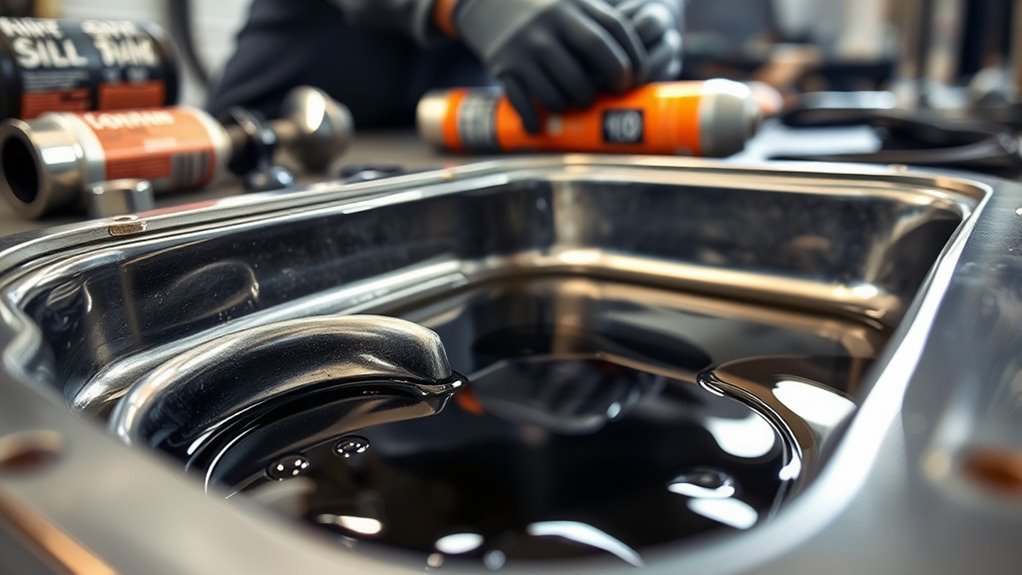
How to Stop an Oil Leak From the Oil Pan Step by Step
First, find the oil leak from the oil pan by cleaning the oil pan area thoroughly and checking for fresh oil or a damaged gasket. This initial step helps pinpoint the exact source of the leak and ensures a more effective repair.
Safely lift your vehicle using appropriate tools and drain the oil completely.
Next, remove the oil pan bolts in a crisscross pattern to avoid warping the pan.
Carefully detach the oil pan and inspect the gasket closely.
Replace the gasket if it is worn, cracked, or damaged to prevent future leaks.
Reinstall the oil pan with the new gasket in place.
Tighten the bolts to the manufacturer’s specified torque settings.
Finally, refill the oil and run the engine to check for any remaining leaks.
Following these steps will help you stop an oil leak from the oil pan efficiently and keep your vehicle running smoothly.
How to Find Where Your Oil Pan Is Leaking

To find where your oil pan is leaking, start by looking under your vehicle for fresh oil or stains near the oil pan, which sits at the bottom of the engine. Fresh oil stains indicate an active oil leak.
Next, clean the engine area with a degreaser to better spot the leak’s source. Use a flashlight to carefully inspect for leaks around the oil pan’s edges, checking for cracks, dents, or gasket failure.
Don’t forget to check the oil drain plug; looseness or damage there often causes signs of oil leakage. By thoroughly examining these areas and noting any oil stains, you can accurately pinpoint the leak and decide on the necessary repair steps.
Prepare Your Vehicle for Oil Pan Leak Repair

Before you start repairing the oil pan leak, make sure your vehicle is parked on a flat surface with the parking brake engaged for safety. Preparing your vehicle properly will make the repair smoother and safer. Follow these steps:
- Park on a level surface to ensure stability and accurate work.
- Use a jack and jack stands to lift and securely support the vehicle if you need to access the oil pan from underneath.
- Wear protective gloves and safety glasses to protect yourself from hot oil, debris, and sharp engine components.
- Let the engine cool completely before starting to avoid burns and safely handle parts.
- Clean the oil pan area with engine degreaser to remove dirt and old oil, making the leak easier to spot.
These steps help you work safely and effectively on your oil leak repair.
Remove the Oil Pan

Once your vehicle is safely lifted and the engine oil has completely drained, you can remove the oil pan. Start by removing the bolts that secure the oil pan to the engine block, working in a crisscross pattern to avoid warping. Use a gasket scraper or a plastic putty knife to carefully pry the oil pan away, taking care not to damage the mating surfaces.
After removing the oil pan, thoroughly clean the mating surfaces to remove old gasket material and debris. This step is essential because a damaged or improperly installed oil pan gasket can cause leaks. By properly removing the oil pan and cleaning these surfaces, you’ll set the stage to prevent future leaks effectively and guarantee a secure reinstallation.
Inspect and Replace the Oil Pan Gasket
How do you know when the oil pan gasket needs replacing? You inspect it closely after removing the oil pan. Signs of an oil leak or visible damage mean it’s time to replace the gasket. Here’s how to proceed:
- Securely lift the vehicle and drain all engine oil.
- Remove oil pan bolts with a socket wrench, noting their order.
- Detach the oil pan carefully, checking for warping or damage.
- Examine the oil pan gasket for cracks, tears, and oil seepage.
- Install a new gasket, applying gasket sealant if recommended, and tighten bolts to the manufacturer’s specified torque.
Replacing a damaged oil pan gasket stops leaks and ensures a proper seal, preventing further engine issues.
Reinstall the Oil Pan and Test the Repair for Leaks
Although reinstalling the oil pan requires careful attention, you can prevent future leaks by properly aligning the new gasket and tightening the bolts in the correct pattern and torque.
First, carefully align the gasket on the oil pan before you reinstall the oil pan itself. Then, tighten bolts in a crisscross pattern gradually to the manufacturer’s specified torque to ensure an even seal. Replace the drain plug washer if needed, then secure the drain plug.
Next, refill engine oil to the correct level and run the engine for 15-20 minutes to circulate the oil fully. Finally, inspect for leaks and check for seepage around the oil pan. Test for leaks thoroughly to confirm the repair was successful and your engine is sealed tight.
Frequently Asked Questions
How Do You Seal an Oil Pan Leak?
You seal an oil pan leak by draining the oil and removing the pan. Next, clean the surfaces thoroughly to ensure a good seal.
Apply gasket sealant and install a new gasket carefully. Then, reattach the pan and tighten the bolts properly.
Finally, refill the oil and check for leaks during a test run.
How to Stop an Oil Leak Quickly?
You can stop an oil leak quickly by tightening loose bolts, applying a stop leak additive, or using gasket sealant.
Always replace damaged gaskets promptly and refill oil to test the repair under normal conditions.
Will JB Weld Work on an Aluminum Oil Pan?
Yes, JB Weld works on aluminum oil pans for small cracks or holes. Just clean and roughen the surface first.
Will Flex Seal Stop an Oil Leak?
You might find Flex Seal offers a hopeful quick fix, but it won’t fully stop an oil leak.
It’s more of a temporary bandage; for lasting results, you’ll want a proper mechanical repair instead.
Conclusion
Stopping an oil pan leak not only protects your engine but also saves you money—did you know that ignoring leaks can lead to engine damage costing over $1,000 to repair?
By carefully finding the leak, prepping your vehicle, removing the oil pan, and replacing the gasket, you can fix the problem yourself.
Taking these steps guarantees a tight seal and keeps your engine running smoothly, preventing costly repairs down the road.
Don’t wait—act now to stop an oil leak from the oil pan and maintain your vehicle’s health.