How Can You Tell If Egg Whites Are Still Good
You can tell if egg whites are still good by checking their appearance, smell, and texture. Fresh egg whites are clear, slightly thick, and odorless. These key signs help you determine their freshness and safety for use.
If they look cloudy, change color, or have a sour or rotten smell, it’s best to discard them. Slimy or watery textures also signal spoilage and indicate that the egg whites should not be consumed.
Proper storage in the fridge helps keep them fresh for up to four days.
Learn how to store, test, and use egg whites safely for best results. Taking these steps ensures your egg whites remain good and safe to eat.
How Can You Tell If Egg Whites Are Fresh?

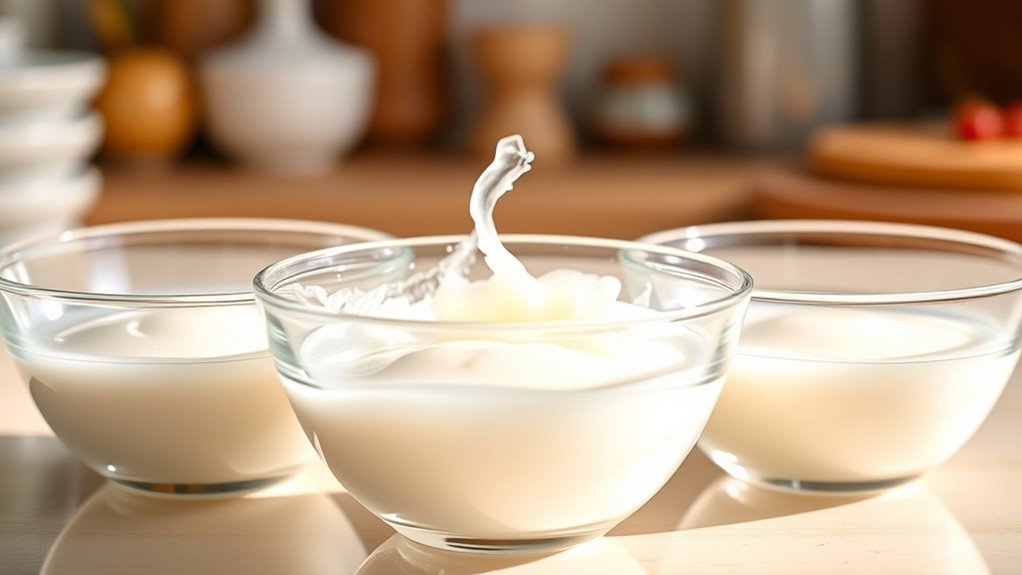
When you crack open an egg, you can tell if the whites are fresh by their appearance and smell. Fresh eggs have egg whites that are clear and slightly viscous, without any cloudiness. You’ll notice that fresh egg whites are thick and stay close to the yolk instead of spreading widely across the bowl.
This thickness is a good indicator that the egg is still fresh and safe to use. Properly stored fresh eggs in the fridge keep their quality for up to four days, so always check the egg whites soon after cracking. If you see any unusual colors or textures, it’s best not to use them.
What Does a Spoiled Egg White Smell Like?

Besides checking the appearance of egg whites, you should also trust your nose. Spoiled egg whites give off a strong, unpleasant odor that’s hard to miss. If you detect a foul smell, especially one that’s sour or resembles rotten eggs, it’s a clear sign the egg whites have gone bad.
Fresh egg whites typically have little to no smell, so any sulfurous or rotten scent means you shouldn’t use them. Always take a moment to sniff the egg whites right after cracking them open. If you catch that foul smell, it’s best to discard the egg whites immediately to avoid any health risks associated with consuming spoiled eggs.
Your nose is a reliable tool in spotting spoilage.
How Long Do Egg Whites Last in the Fridge?

You can keep egg whites fresh in the fridge for up to four days when stored in an airtight container. Always check for any off smell or unusual color before using them to avoid spoilage.
If you need to store them longer, freezing is a great option to preserve their quality.
Refrigerator Storage Duration
Although egg whites can stay fresh longer when stored properly, you should generally use them within four days if kept in an airtight container in the refrigerator. Proper refrigerator storage is essential to maintain their shelf life and prevent bacterial growth. Leaving egg whites in their shells only preserves freshness for about one to two days, so transferring them to a sealed container helps extend usability.
Always store egg whites at or below 40°F (4°C) to keep them safe. Remember, the shelf life can vary slightly depending on your fridge’s temperature and how well the container seals. To maximize freshness, avoid leaving egg whites exposed to air or fluctuating temperatures during storage.
Using them within this timeframe ensures they remain safe and effective for your recipes.
Signs of Spoilage
When egg whites start to spoil, they usually show clear signs that you can easily spot before using them. Spoiled egg whites often give off a rotten or sulfurous smell, which is a major red flag for food safety. Visually, you might notice they become cloudy, develop a yellowish tint, or even show pinkish or dark brown hues.
The texture can also change, feeling slimy or looking abnormal when cracked open. Since egg whites stored in the fridge last about 4 days, always check for these signs before use. If you detect any foul odor, discoloration, or sliminess, it’s best to discard them to avoid foodborne illness risks linked to spoiled egg whites.
Freezing Egg Whites
Since egg whites only last about 4 days in the fridge, freezing them is a smart way to prolong their shelf life. When freezing egg whites, use airtight containers or ice cube trays for easy portioning.
Frozen egg whites remain still okay to use for up to 1 year, but for best quality, try to use them within 1-2 months. Always thaw frozen egg whites in the fridge or under cold running water to keep them safe.
| Storage Method | Duration | Notes |
|---|---|---|
| Fridge (airtight) | Up to 4 days | Check for spoilage before use |
| Freezer (airtight) | Up to 1 year | Best quality in 1-2 months |
| Thawing | Refrigerator/cold water | Ensures safety and quality |
What Causes Egg Whites to Go Bad?
If you don’t store egg whites properly, bacteria can quickly multiply and cause spoilage. When egg whites sit out too long at room temperature or aren’t refrigerated promptly, harmful bacteria thrive, increasing the risk of food poisoning.
Spoiled egg whites often have a foul, sulfurous odor, signaling bacterial growth. You might also notice changes in appearance—cloudiness, a yellowish tint, or unusual colors like pinkish or dark brown hues indicate contamination. These signs mean the egg whites are no longer safe to use.
To prevent this, always refrigerate egg whites immediately after separating them and use them within a few days. Proper storage slows bacterial growth and keeps egg whites fresh, protecting you from potential food poisoning.
How Can You Use the Float Test for Egg Whites?
How exactly can you tell if egg whites are still good using the float test? Fill a bowl with cold water and gently place the egg whites inside. Watch how they behave to judge their freshness.
Egg whites that sink and lie flat are fresh and safe to use. If they stand upright or tilt, they’re older but may still work in some recipes. However, egg whites that float have a large air pocket, indicating spoilage and should be discarded.
| Egg White Behavior | Freshness Level | Action |
|---|---|---|
| Lies flat | Fresh | Use with confidence |
| Tilts | Older | Use cautiously |
| Stands upright | Older | Use cautiously |
| Floats | Spoiled | Discard |
How Long Can You Freeze Egg Whites Safely?
You can freeze egg whites safely for up to 12 months, but for the best quality, try to use them within 1-2 months. Store them in small, airtight containers or ice cube trays to make thawing easier.
Don’t forget to label the date so you know how long they’ve been frozen.
Freezing Duration Limits
Though egg whites can last quite a while in the freezer, it’s best to use them within 12 months to maintain quality. The recommended freezing duration for egg whites is up to one year, ensuring they retain their texture and flavor when you thaw and use them.
Freezing egg whites longer than 12 months can lead to a decline in quality, which might affect your recipes. To keep track, label your containers with the freezing date. This helps you use egg whites within the ideal time frame.
Proper Storage Methods
Since egg whites can last up to a year in the freezer, storing them properly is crucial to maintain their quality and safety. Proper storage helps prevent freezer burn and preserves their texture and flavor.
Here’s how you can freeze egg whites effectively:
- Use airtight, freezer-safe containers or ice cube trays for portioning egg whites.
- Label containers with the freezing date to track storage time.
- Thaw egg whites in the refrigerator for several hours or overnight to ensure even thawing.
- Use thawed egg whites within 24-48 hours and never refreeze them.
What Color Changes Mean Egg Whites Are Spoiled?
When egg whites change from their usual clear and translucent appearance to a pinkish, dark brown, or pearly tint, it’s a strong sign they’ve spoiled. Discoloration signals spoilage and means you should discard them immediately. Yellowish or greenish hues also indicate bacterial growth.
Any cloudy or unusual colors combined with a foul odor confirm the egg whites are no longer safe to use.
| Color Change | What It Indicates |
|---|---|
| Pinkish/Dark Brown | Spoilage |
| Yellowish/Greenish | Bacterial Growth |
| Cloudy/Discolored | Loss of Freshness |
Always trust your eyes—properly stored egg whites stay clear. Discoloration is your cue to avoid risk and toss them out.
Why Does Egg White Texture Matter for Freshness?
You can tell a lot about an egg’s freshness just by feeling its texture. Fresh egg whites are thick and slightly sticky, while watery or slimy whites usually mean the egg isn’t good anymore.
Paying attention to these changes helps you avoid using spoiled eggs.
Texture Indicates Freshness
Although it might seem subtle, the texture of egg whites tells you a lot about their freshness. When you crack an egg, pay close attention to how the egg whites feel and look. Fresh egg whites have a thick, viscous texture that holds together well.
As they age, the texture becomes thinner and more watery, indicating they’re not as fresh. Here’s what to look for:
- Thick, clear egg whites signal high freshness.
- Jelly-like consistency means they’re still good for recipes like meringues.
- Runny, watery whites suggest the egg is older.
- Smooth texture without clumps shows proper storage and freshness.
Checking texture helps you decide if your egg whites are perfect for cooking or better tossed.
Changes Signal Spoilage
Since egg whites change noticeably as they spoil, paying attention to their texture helps you avoid using bad eggs. Changes in consistency—from thick and viscous to watery or slimy—signal spoilage. You should also watch for color shifts or foul odors, which indicate bacterial growth or contamination.
These texture changes matter because they directly reflect the egg white’s freshness and safety.
| Texture Change | What It Means | Action to Take |
|---|---|---|
| Watery/Runny | Spoilage begins | Discard egg |
| Cloudy or Pearly | Contamination possible | Avoid use |
| Slimy or Sticky | Bacterial growth | Throw away |
| Foul Smell | Rotten egg | Do not consume |
Noticing these changes helps you prevent health risks from spoiled egg whites.
How Should You Store Egg Whites to Keep Them Fresh?
To keep egg whites fresh, store them in airtight containers that block air and contaminants. This simple step helps prevent spoilage and maintains their quality. Make sure to refrigerate egg whites promptly, keeping the temperature at or below 40°F (4°C), and never leave them out for more than two hours.
Here are essential egg safety tips to store egg whites properly:
- Use clean, airtight containers to minimize exposure to bacteria.
- Label containers with the date to track freshness.
- For long-term storage, freeze egg whites in small portions or ice cube trays.
- Thaw frozen egg whites slowly in the refrigerator to preserve texture and safety.
Following these tips ensures your egg whites stay fresh and safe to use.
What Are the Best Ways to Use Leftover Egg Whites?
When you have leftover egg whites, you can easily turn them into delicious dishes like meringues, angel food cakes, or protein smoothies. These options make great use of their airy texture and nutritional benefits. Before using leftover egg whites, always check that they’re still eggs safe by sniffing for off smells or spotting discoloration.
If they seem fine, you can also whip them into soufflés or add them to light salads for extra protein. To keep your egg whites fresh for future use, store them in an airtight container in the fridge for up to four days or freeze them in small portions for up to a year.
This way, you’ll never waste leftover egg whites and can enjoy them in various tasty recipes.
Frequently Asked Questions
How Long Do Liquid Egg Whites Last in the Fridge?
You can keep liquid egg whites in the fridge for up to 4 days if stored in airtight containers.
Always check for any off smell or discoloration before using to guarantee they’re still fresh and safe.
What Color Do Egg Whites Look Like When It Is Expired?
Did you know that over 30% of food waste comes from spoiled products?
Expired egg whites turn cloudy, yellowish, or brownish. If you see pink or dark colors, it’s a clear sign they’re no longer safe to use.
Is the Egg Float Test Actually Accurate?
The float test isn’t totally accurate on its own. You can’t rely just on it because some fresh eggs float and some old ones don’t.
Always check the egg’s smell and appearance before deciding to use it.
How Long Before Egg White Goes Bad?
Freshness fades fast: you’ve got about four days in your fridge before egg whites spoil.
Freeze them to extend their life up to a year, but it’s best to use within one to two months for quality.
Conclusion
You want to use fresh egg whites, not ones that smell sour or look cloudy and yellowed. Fresh whites are clear, thick, and slightly slippery—perfect for your recipes. Spoiled whites, however, are watery and off-putting, ruining your dish and health.
By storing them properly and checking their smell, color, and texture, you can confidently decide if they’re good or bad. Don’t risk it—freshness makes all the difference between delicious and disastrous. Knowing how to tell if egg whites are still good ensures your meals are safe and tasty every time.