Is a Rooster Needed for Hens to Lay Eggs?
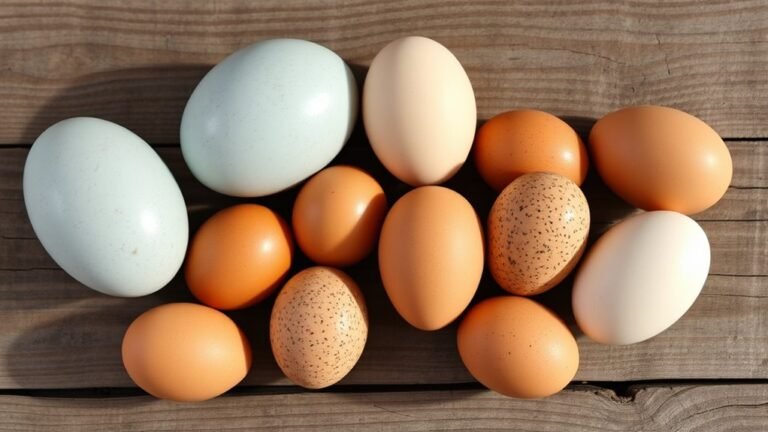
Is a rooster needed for hens to lay eggs? The answer is no. Hens lay eggs naturally without the presence of a rooster. They produce eggs regularly as part of their reproductive cycle.
Roosters are only necessary if you want fertilized eggs that can hatch into chicks. Without a rooster, hens will still lay eggs, but those eggs won’t develop embryos.
If your goal is simply fresh eggs to eat, a rooster isn’t required. However, if you’re curious about the role roosters play or the dynamics within a flock, there’s more to explore.
How Do Hens Lay Eggs Without a Rooster?

Although you might think a rooster is essential, hens lay eggs all on their own without one. You don’t need a rooster nearby for a hen to lay eggs because the egg formation process happens naturally inside her body. Hens will lay eggs regularly, no matter if a rooster is present or not.
Most eggs you find in backyard coops are unfertilized, meaning they don’t require a rooster to exist. When a hen lays an egg, it’s simply her body’s natural cycle at work, independent of any fertilization. You only need a rooster if you want those eggs to be fertilized and eventually hatch into chicks.
Otherwise, your hens will keep laying eggs just fine on their own.
How Do Roosters Fertilize Eggs?

When a rooster mates with a hen, he transfers sperm through cloacal contact, which can stay viable inside her for several weeks.
You should know that fertilization happens when this sperm meets the yolk’s germinal disk during egg formation.
Understanding this process helps explain how fertilized eggs develop into chicks.
Rooster Mating Process
Because roosters fertilize eggs through a quick cloacal contact, you might wonder how such a brief interaction results in fertilized eggs. During mating, the rooster and hen perform a swift cloacal kiss, where their cloacas briefly connect. This connection allows the rooster to transfer sperm directly into the hen’s reproductive tract.
Although the mating lasts just a few seconds, it’s highly effective. The hen then stores the sperm in special sacs called sperm storage tubules within her oviduct. As the yolk travels through the reproductive tract, the stored sperm fertilizes it, creating a fertilized egg.
This instinctive process ensures hens can lay fertile eggs after just one mating, making the rooster’s role essential for fertilization but not for egg laying itself.
Sperm Viability Duration
Even though rooster mating lasts only a few seconds, the sperm they transfer can stay viable inside the hen’s reproductive tract for up to two to four weeks. This means that a single mating session can fertilize multiple eggs over time.
When the rooster deposits sperm during cloacal contact, the hen stores it in specialized sperm storage tubules in her oviduct. As eggs develop, sperm released from these tubules can penetrate the germinal disk on the yolk, leading to fertilization.
You should understand that the viability of sperm and the timing of ovulation are essential—they determine if the eggs laid will be fertilized. So, even brief mating can result in fertilized eggs for weeks without repeated rooster visits.
Fertilization Mechanism Explained
Roosters fertilize eggs by transferring sperm directly into the hen’s reproductive tract through a brief cloacal contact during mating. This fertilization process guarantees that the sperm meets the egg inside the hen’s oviduct. Here’s how it works:
- The rooster’s cloaca touches the hen’s cloaca, allowing sperm transfer.
- Sperm travels into the hen’s reproductive tract and can survive for weeks.
- Fertilization happens when sperm penetrates the germinal disk on the yolk.
- Fertilized eggs develop into embryos, unlike unfertilized eggs laid without a rooster.
Understanding this fertilization mechanism helps you see why a rooster is necessary for producing fertilized eggs, even though hens lay eggs regardless of mating.
Can Hens Lay Fertile Eggs Without a Rooster?

You might wonder if hens can lay fertile eggs without a rooster, but they can’t. Without a rooster, hens lay unfertilized eggs, which are perfectly safe to eat.
A rooster’s role is essential for fertilization and producing chicks, but it doesn’t affect how many eggs hens lay.
Fertility Requires Rooster Presence
Although hens lay eggs regularly, they can’t produce fertile ones without a rooster. Fertility in hens depends on mating, where the rooster transfers sperm to fertilize the eggs internally. Without this process, the eggs you get from hens are unfertilized and won’t develop into chicks.
Here’s what you need to know about fertility and roosters:
- Roosters are essential for fertilizing eggs through cloacal contact during mating.
- Hens will lay eggs without a rooster, but those eggs remain infertile.
- Fertile eggs result only when sperm meets the hen’s egg inside her body.
- Eggs laid without a rooster are safe to eat and contain no embryos.
Unfertilized Eggs Are Common
Hens keep laying eggs regularly, whether a rooster is around or not. When no rooster is present, the eggs you get are unfertilized eggs, which means they won’t develop into chicks. These unfertilized eggs are perfectly safe to eat and actually make up the majority of eggs in backyard flocks.
You don’t need a rooster to have a steady supply of eggs; hens lay them as part of their natural cycle. The presence of a rooster only affects whether the eggs are fertilized, not if eggs are laid at all.
Rooster Role In Fertilization
While hens can lay eggs without a rooster, those eggs will never be fertilized. Fertilization requires a rooster to mate with the hen, transferring sperm during cloacal contact. Without this, no fertilization occurs, so all eggs remain infertile.
Here’s what you need to know about the rooster’s role in fertilization:
- Roosters provide the sperm necessary for fertilization.
- Fertilization happens only after mating between a rooster and a hen.
- Eggs laid without a rooster are always unfertilized and won’t develop into chicks.
- Hens lay eggs regardless of whether fertilization occurs.
Why Do Some People Keep Roosters With Hens?
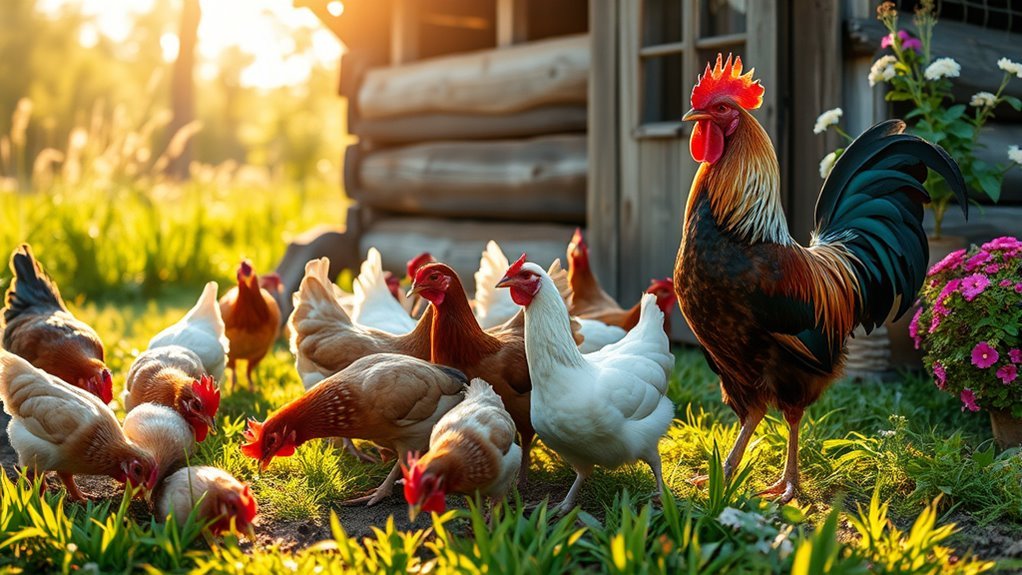
Why do some people choose to keep roosters with their hens? One main reason is to fertilize eggs if you want to hatch chicks. A rooster ensures the continuation of your flock by mating with hens.
Beyond reproduction, roosters help maintain social order within the flock, keeping the hens calm and organized. You might also appreciate the rooster’s natural behaviors and striking appearance, which add character to your flock.
While they do warn hens about danger, this protective role is a separate topic. Ultimately, if you’re interested in breeding and raising chicks, having a rooster is essential. Otherwise, hens will lay eggs without one, but those eggs won’t be fertilized for hatching.
How Do Roosters Protect and Manage the Flock?
Besides their role in reproduction and social order, roosters play a key part in protecting and managing the flock. When you have a rooster around, you’ll notice how he stays alert and keeps the hens safe.
Here’s how roosters protect and manage the flock:
- They crow loudly and make warning calls to alert hens of predators.
- Roosters scout ahead, spotting danger early to give the flock time to react.
- They physically defend hens by confronting or attacking threats.
- Their vigilant behavior reduces the risk of attacks from airborne or ground predators.
What Are Common Challenges of Keeping a Rooster?
Although roosters provide many benefits to a flock, keeping one comes with several challenges you should consider. Roosters can become aggressive, especially during mating season, and may attack you, other animals, or even hens. Their loud crowing early in the morning and throughout the day often disturbs neighbors and might violate noise regulations.
If you keep multiple roosters, expect frequent fights that cause injuries and stress within the flock. While some try removing spurs to reduce fighting, this requires veterinary help and doesn’t fully stop aggressive behavior. Additionally, a rooster’s territorial disputes and dominance fights can increase the risk of injury to your hens.
Do Backyard Hens Need a Rooster to Lay Eggs?
Managing roosters can be challenging, so you might wonder if you really need one for your hens to lay eggs. The good news is, backyard chickens don’t require a rooster to produce eggs. Hens lay unfertilized eggs regularly without any male around.
Here’s what you should know:
- Hens lay eggs independently; a rooster isn’t necessary for egg production.
- Roosters only fertilize eggs, which is essential if you want chicks.
- Unfertilized eggs from backyard chickens are safe and common for eating.
- Having a rooster doesn’t increase the number of eggs your hens lay.
What Alternatives Exist If You Don’t Keep a Rooster?
If you don’t keep a rooster, you still have several options to enjoy fresh eggs or even hatch chicks. Hens lay eggs naturally without a rooster, so you’ll get plenty of unfertilized eggs perfect for eating.
If you want chicks, though, you can buy fertile eggs or point-of-lay hens from breeders instead of keeping a rooster yourself. This way, you avoid common rooster issues like noise and aggression while still expanding your flock.
How to Decide If You Should Keep a Rooster
Why consider keeping a rooster in your flock? You need to know that hens do not need a rooster to lay eggs—hens will lay one egg daily without a rooster. However, if you want baby chicks, a rooster is essential to fertilize the eggs.
Before deciding, weigh these factors:
- Do you want to hatch baby chicks or just collect eggs?
- Local rules may prohibit roosters due to noise.
- Roosters influence the pecking order and can be aggressive.
- Chickens lay eggs even in a dark room without a rooster.
For a Backyard Chicken keeper, hens will lay eggs without a rooster to lay them, but a rooster is needed only if you want fertilized eggs and chicks. Assess your goals and environment carefully before adding a rooster.
Frequently Asked Questions
How Do Hens Lay Eggs Without a Rooster?
Hens lay eggs without a rooster because their bodies naturally produce eggs on a regular cycle.
You don’t need a rooster; hens will lay unfertilized eggs just fine with proper care, diet, and lighting.
Are Hens Happier With a Rooster?
You won’t necessarily find hens happier with a rooster around. They thrive more on a calm environment, good food, and safety.
Roosters can sometimes cause stress, so focus on their basic needs for contentment instead.
How Does a Rooster Fertilize the Egg?
A rooster fertilizes eggs by mating with a hen, transferring sperm through cloacal contact. The sperm travels inside her, fertilizing the yolk as the egg forms.
That’s how fertilized eggs develop into chicks.
Why Do Chickens Eat Their Own Eggs?
You’ll notice chickens eat their eggs when they’re bored, stressed, or hungry; they’ll peck weak shells, seek calcium, or explore taste.
You can prevent this by improving nutrition, reducing stress, and providing better nesting conditions.
Conclusion
Think of hens like fruit trees—they’ll produce fruit (eggs) without a rooster, just like trees bear apples without needing bees to pollinate. You don’t need a rooster for eggs, but if you want chicks, that’s a different story.
Remember, keeping a rooster is like having a guard dog—helpful but sometimes noisy or troublesome.
So, weigh your needs carefully before deciding if a rooster fits your backyard flock and lifestyle. Understanding whether a rooster is needed for hens to lay eggs will help you make the best choice for your flock.