What Do Flea Eggs Look Like on Dogs?
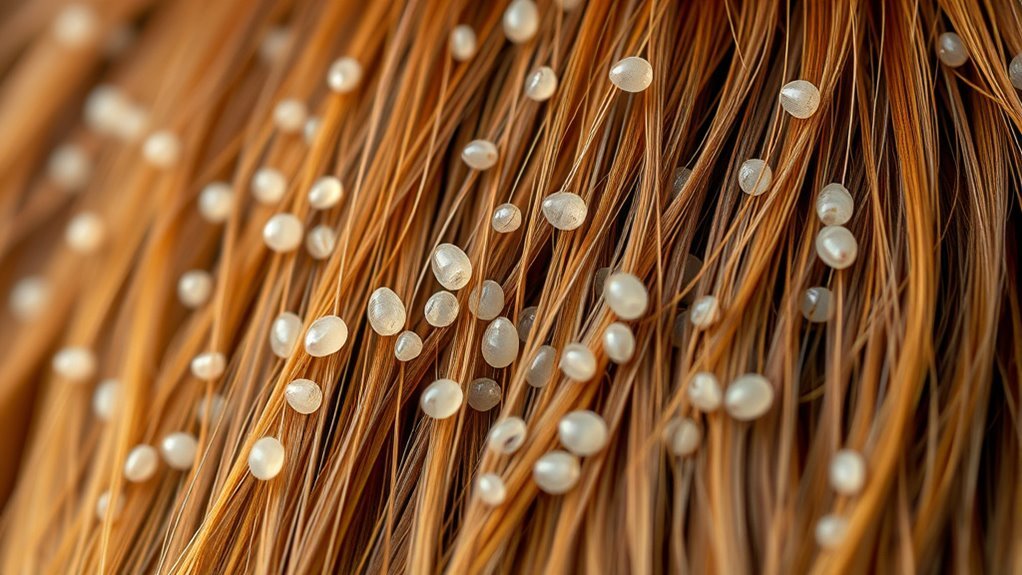
You’ll spot flea eggs on your dog as tiny, off-white, oval specks about the size of salt grains, often found near the belly, tail base, and neck.
Flea eggs on dogs are distinct from dandruff because they’re smooth and shiny but not sticky.
They fall off easily into your home environment, which can cause an infestation if not addressed.
These eggs signal an active flea problem, so noticing them means it’s time to act quickly.
Keep going to discover how to identify, remove, and prevent flea eggs effectively to protect your dog and home.
What Do Flea Eggs Look Like on Dogs?

Although flea eggs are tiny and often hard to spot, you can identify them as off-white, oval-shaped specks about 0.5 millimeters in size, similar to grains of salt or dandruff. When flea eggs appear on your dog, they usually settle in areas where the fur is less dense, making them easier to see against the skin.
These eggs aren’t sticky, so they often fall off onto bedding or carpets. Because flea eggs are so small and blend in easily, you might overlook them during grooming. Spotting flea eggs on your dog signals the need for immediate flea control to prevent a full infestation.
Regular checks and cleaning help you catch flea eggs early and protect your dog’s comfort and health.
Where Flea Eggs Hide on Your Dog

When you check your dog for flea eggs, focus on areas where the fur is less dense, like the belly, inner thighs, and around the base of the tail. Flea eggs are often hidden in fur at these spots because fleas prefer to lay eggs after feeding there. These tiny, off-white eggs can cause skin irritation if left unchecked.
Since flea eggs are non-sticky, they easily fall off into your dog’s fur or environment. Regularly inspecting these spots helps catch infestations early.
| Location | Why Flea Eggs Hide Here | Signs to Watch For |
|---|---|---|
| Belly | Less dense dogs fur allows egg clusters | Skin irritation, scratching |
| Inner thighs | Warmth and protection from grooming | Redness, bite marks |
| Base of tail | Common flea feeding site | Flea dirt, eggs visible |
| Underarms | Sheltered, less exposed area | Excessive licking |
| Neck and collar | Frequent contact with collar | Irritation, eggs caught |
How to Tell Flea Eggs Apart From Dog Dandruff

Spotting flea eggs on your dog can be tricky because they often look like dandruff. To detect the difference, pay close attention to their appearance and how they behave on your dog’s coat. Flea eggs are tiny, smooth, and uniformly oval-shaped with a shiny, pearlescent look.
In contrast, dandruff appears as irregular, fluffy white flakes that brush off easily. When you comb or shake your dog’s coat, dandruff tends to fall away quickly, while flea eggs cling tightly to the hair shafts. You’ll often find flea eggs clustered around the tail and neck, unlike dandruff, which can spread anywhere on your dog’s coat.
Knowing these key differences helps you detect flea eggs early and take action to protect your dog.
What Causes Flea Eggs on Dogs?
If your dog has flea eggs on its coat, it usually means fleas are actively living on or near your pet. Flea eggs are laid by adult fleas directly on dogs, but they don’t stick to the fur and often fall off into your dog’s environment.
This is a clear sign of an infestation, as adult fleas reproduce rapidly. The presence of flea eggs signals that fleas are completing their flea lifecycle on or around your dog.
Without prompt flea control, these eggs will hatch into larvae, perpetuating the problem. Understanding what causes flea eggs helps you recognize an active infestation and motivates you to take immediate action to protect your dog and home from further flea issues.
Understanding the Flea Egg Life Cycle
You’ll notice flea eggs are tiny, smooth, and shiny—almost like grains of salt—and they don’t stick to your dog’s fur.
Once laid, these eggs often fall into your dog’s environment, like bedding or carpets, where they hatch into larvae within days if conditions are right.
Understanding where these eggs develop and their life stages helps you tackle flea control more effectively.
Flea Egg Characteristics
How can you tell flea eggs apart from ordinary dandruff on your dog? Flea eggs are tiny, oval-shaped, and about 0.5 millimeters long, resembling grains of salt. Unlike dandruff, these eggs have a smooth, shiny surface that isn’t sticky, so they easily fall off your dog’s fur and settle into bedding, carpets, or furniture.
You might spot them scattered around rather than clinging to the skin. Their small size and shiny appearance make them easy to miss or confuse with dandruff, but recognizing these characteristics is vital. Identifying flea eggs early helps you control infestations before they spread.
Keep a close eye on your dog’s coat and surroundings to catch these tiny pests before they hatch.
Egg Development Stages
Although flea eggs are tiny, their development kicks off a rapid life cycle that leads to a full-blown infestation if left unchecked. These flea eggs measure about 0.5 millimeters and have a smooth, glossy appearance. Once laid, the eggs hatch within 24 to 48 hours, depending on warmth and humidity.
After the eggs hatch, they release larvae, the next development stage in the flea’s life cycle. These larvae feed on organic debris before moving on to pupae and then adult fleas. Understanding these development stages helps you act quickly to break the cycle.
Catching flea eggs early, before they hatch into larvae, is essential to controlling and preventing further infestation on your dog and in your home.
Environmental Egg Locations
Because flea eggs easily fall off your dog’s fur, they tend to accumulate in places where your pet spends the most time. You’ll often find them in pet bedding, carpets, and furniture, especially in areas of high pet activity. These tiny, smooth, off-white eggs settle in cracks in floors or underneath furniture bases.
Outdoor spots like shaded areas under bushes are common egg locations too. Since flea eggs are non-sticky, they scatter easily, making it tricky to spot them directly on your dog. To control infestations, regularly vacuum carpets and furniture and wash pet bedding thoroughly.
Paying attention to these environmental egg locations helps break the flea life cycle and keeps your dog more comfortable and flea-free.
How to Safely Remove Flea Eggs From Your Dog’s Fur
You’ll want to start by gently combing your dog’s fur with a fine-toothed flea comb, focusing on flea-prone areas to safely remove eggs.
Using an appropriate flea shampoo helps kill any remaining pests while keeping your dog comfortable. After removal, caring for your dog’s fur with soothing conditioners can prevent irritation and keep their coat healthy.
Gentle Combing Techniques
When you gently comb your dog’s fur with a fine-toothed flea comb, you target common hotspots like the neck, tail base, and belly to safely remove flea eggs. Comb slowly to dislodge eggs without hurting your dog.
After each pass, dip the comb in warm, soapy water to trap flea eggs and white specks. Regular grooming helps prevent infestations by physically removing eggs.
| Step | Action | Purpose |
|---|---|---|
| 1 | Use flea comb on hotspots | Dislodge flea eggs |
| 2 | Comb slowly and methodically | Avoid skin irritation |
| 3 | Dip comb in soapy water | Kill and trap eggs |
| 4 | Dispose of debris in sealed bag | Prevent re-infestation |
Appropriate Flea Shampoo
Alongside gentle combing, using an appropriate flea shampoo helps eliminate flea eggs from your dog’s fur effectively. Choose a flea-specific, veterinarian-recommended shampoo designed to target both fleas and flea eggs safely.
Before applying, wet your dog thoroughly with lukewarm water to ensure the shampoo spreads evenly. Lather the shampoo well, focusing on areas where flea eggs look most common—such as the neck, belly, and base of the tail. Leave the shampoo on for the recommended 5-10 minutes to maximize flea treatment effectiveness.
Finally, rinse your dog thoroughly to wash away all shampoo residue and flea eggs, preventing skin irritation. Combining this with other flea control products enhances your flea treatment routine and helps keep your dog free from these pesky pests.
Post-Removal Fur Care
Although removing flea eggs with a comb is essential, caring for your dog’s fur afterward guarantees no eggs remain hidden. After each combing session, dip the comb in soapy water or wipe it on a damp cloth to kill and remove flea eggs effectively.
Next, rinse your dog with lukewarm water and use a gentle, moisturizing dog shampoo to loosen any remaining eggs without irritating the skin. Once bathed, towel dry your dog gently and continue to comb the fur, focusing on areas like the belly, neck, and tail base.
Regularly inspect your dog’s coat during fur care to ensure thorough removal of flea eggs and prevent re-infestation. Consistent combing and inspection are key to maintaining a flea-free coat.
How to Clean Your Home to Stop Flea Eggs
Because flea eggs can hide in the smallest cracks and crevices, you’ll need to vacuum all carpets, rugs, furniture, and floors thoroughly. Make sure to vacuum all areas where your dog spends time, then seal and dispose of vacuum bags immediately to prevent flea eggs from reinfesting.
To clean your home effectively, wash pet bedding, blankets, and linens in hot water—at least 130°F—to kill flea eggs, larvae, and pupae. Steam cleaning carpets and upholstery also helps eliminate flea eggs deep in fibers.
Maintaining this routine is essential to stop flea infestations from returning. By combining thorough vacuuming and washing with hot water, you’ll considerably reduce flea eggs in your home and protect your dog from ongoing flea problems.
When to Use Flea Control Products
When you spot flea eggs on your dog, it’s essential to act quickly and use flea control products to stop the infestation from growing. Apply veterinarian-recommended flea treatments immediately to target not only adult fleas but also eggs and larvae.
To keep your dog protected, start flea prevention before flea eggs appear, especially during warmer months when flea activity peaks. Using flea growth regulators alongside adulticides ensures you effectively break the flea life cycle.
Continue regular monthly flea treatments if your dog is prone to infestations or lives in a high-risk area. By maintaining consistent flea control, you’ll keep your dog comfortable and prevent new flea eggs from hatching, protecting both your pet and your home from ongoing flea problems.
When to Call Your Vet About Fleas
Keeping up with flea control treatments helps manage infestations, but sometimes you might still notice signs that call for professional help. If you spot tiny white oval-shaped flea eggs or persistent flea dirt on your dog’s coat after cleaning, it’s wise to contact your vet.
Also, watch for signs of fleas like constant itching, red bumps, or skin irritation, which often mean the infestation is worsening. When flea eggs spread beyond your dog to bedding or carpets, a vet’s guidance becomes essential to control the environment effectively.
If your dog suffers from flea allergy dermatitis or your treatments aren’t working, don’t hesitate to seek veterinary advice early. Prompt intervention can prevent a full-blown infestation and protect your dog’s health.
Frequently Asked Questions
What Kills Flea Eggs on Dogs Naturally?
You can kill flea eggs naturally by sprinkling diatomaceous earth on your dog and bedding, applying coconut oil, spraying diluted apple cider vinegar, using flea-repelling herbs like lavender, and keeping your dog’s environment clean through regular washing and vacuuming.
These natural methods help disrupt the flea life cycle and reduce infestations without harsh chemicals.
Always ensure any treatment is safe for your dog’s skin and consult your veterinarian if you have concerns.
How Can You Tell if Your Dog Has Flea Eggs?
You can tell if your dog has flea eggs by parting their fur near the tail, belly, or thighs and looking for tiny white specks.
Check pet bedding and watch for itching or flea dirt as signs, too.
Can Fleas Cause Skin Rash?
Fleas can be a ticking time bomb for your dog’s skin, causing rashes from allergic reactions. You’ll notice red bumps and irritated patches, especially if your dog keeps scratching.
Regular flea control keeps the storm at bay.
Does Dawn Wash off Flea Eggs?
Dawn doesn’t fully wash off flea eggs since they cling tightly to your dog’s fur.
You’ll need to combine bathing with regular grooming and environmental cleaning to effectively remove and prevent flea eggs from sticking around.
Conclusion
You might think those tiny white specks on your dog are just dandruff, but they could be flea eggs—right where you least expect them. Finding them can feel like a small victory and a hidden warning all at once.
By spotting and removing flea eggs early, you’re not just protecting your dog’s comfort—you’re stopping an infestation before it starts.
So, keep a close eye; your dog’s relief depends on it. Understanding what flea eggs look like on dogs is key to effective flea control and prevention.