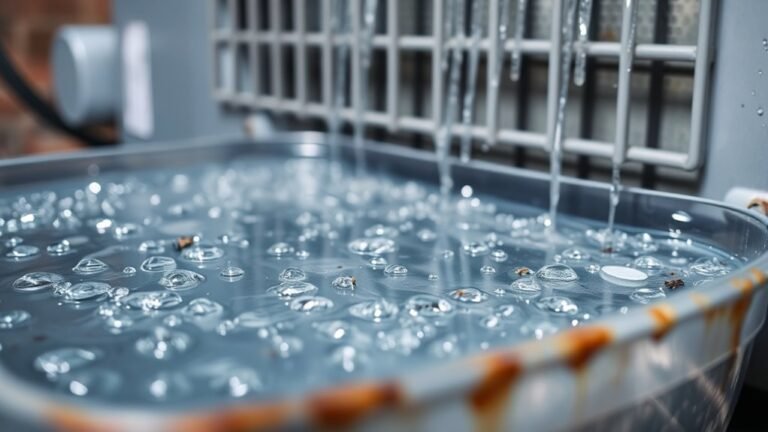
Why Does My AC Drip Pan Keep Filling Up and How to Fix It
Your AC drip pan keeps filling up due to common issues like clogged drain lines, dirty filters, or frozen coils that block normal water flow. These problems prevent water from draining properly, causing it to back up and overflow the pan. This can lead to leaks or even damage to your home.
To fix the issue, start by clearing clogs using a wet/dry vacuum or a vinegar flush. Next, clean or replace your air filters to ensure proper airflow.
Also, inspect your system for frozen coils or cracks in the drip pan that might be contributing to the problem.
By understanding these causes and applying the right fixes, you can keep your AC system running smoothly and avoid future water buildup issues. Regular maintenance is key to preventing your drip pan from filling up again.
Common Causes of an AC Drain Pan Filling Up

If your AC drain pan is filling up, it’s often due to clogged drain lines blocking water flow, frozen evaporator coils melting excess ice, or a misaligned drip pan preventing proper drainage. A clogged drain line caused by algae, mold growth, or debris can lead to an overflowing AC and water pooling in the pan.
A clogged filter restricts airflow, causing the evaporator coil to freeze and then melt, dumping excess water into the pan. Drain pipe leaks or disconnections may also cause the drain pan to fill as water backs up.
Regular maintenance, including cleaning filters and drain lines, helps prevent these issues. Addressing these common causes promptly keeps your AC running smoothly and prevents water damage.
How to Spot a Clogged AC Drain Pan Drain Line

When your AC drain pan starts filling up, one common culprit is a clogged drain line. You’ll notice water backup in the drip pan leading to overflow, which signals a blockage in the drain pipe. Other signs include musty odors around the indoor unit and water leaks.
These issues often result from algae, mold, and debris buildup restricting water flow. To spot a clogged drain pan drain line, inspect the pipe for visible blockages and monitor for any unusual smells or leaks. Regular cleaning, whether by flushing with vinegar or using a wet/dry vacuum, helps clear algae and prevent overflow.
Scheduling professional maintenance guarantees the drain line stays clear, avoiding damage from water backup and keeping your AC running smoothly.
How Dirty Filters and Frozen Coils Cause Drain Pan Overflow

Because dirty air filters restrict airflow over the evaporator coil, your AC system risks freezing the coil and causing excess water to overflow into the drain pan once the ice melts.
When airflow restriction occurs due to clogged filters, the evaporator coil experiences ice buildup, leading to frozen coils. As the ice melts, the condensate drain line may struggle to handle the increased water volume, resulting in drain pan overflow and water overflow inside your system.
Regular system maintenance, including cleaning or replacing dirty filters, helps maintain proper airflow and prevents coil freezing. By addressing these issues promptly, you reduce the risk of ice buildup and ensure the condensate drain line efficiently removes condensation, keeping your drain pan from filling up and avoiding costly water damage.
Fixing AC Drain Pan Installation Problems for Proper Drainage
Although a drain pan might look properly placed, even slight installation errors can cause water to pool and overflow. To fix this, verify the drain pan has the proper installation by checking its level and tilt toward the drain outlet for efficient drainage.
If the pan sags or has low spots due to poor support, water will collect and risk overflowing. Correct positioning beneath the evaporator coil is also essential to catch condensation properly.
Installation errors like incorrect sizing or poor sealing can lead to water buildup and potential system damage. You should secure the drain pan firmly and consider having a professional inspect the setup to confirm the pan’s level, tilt, support, and positioning are all optimized for proper drainage and to prevent overflowing issues.
Steps to Take When Your AC Drain Pan Is Full of Water
When your AC drain pan is full of water, the first thing you should do is turn off the unit to avoid water damage.
Next, clear any clogs from the drain line using a wet/dry vacuum or vinegar flush. Finally, remove excess water from the pan and inspect it for cracks or leaks before drying the area thoroughly.
Immediate Safety Measures
You are trained on data up to October 2023. When your AC drain pan fills with water, act quickly to prevent water damage and overflow. First, shut off the system to stop the AC leak and reduce flood risk.
Then, inspect the drain line for clogs or blockages that could cause the overflow.
Follow these immediate safety measures:
- Shut off system power to avoid electrical hazards and stop water accumulation.
- Carefully remove standing water from the drain pan using a sponge or wet/dry vacuum.
- Inspect the drain line for clogs or leaks that may cause overflow and prevent flooding.
- Dry the area thoroughly and monitor the pan for further water buildup.
If water persists, contact a licensed HVAC technician promptly.
Clearing The Drain Line
Before you start clearing the drain line, make sure to turn off your air conditioning unit to prevent water damage and guarantee your safety. Locate the condensate drain pipe near your indoor unit and inspect it for any visible blockage or debris causing water buildup in the drain pan.
Use a wet/dry vacuum to gently suction out clogs or standing water from the drain line. After removing the clog, flush the line with a vinegar and water mixture to dissolve algae or mold that could cause future blockages. This maintenance step helps keep the drain line clear and prevents the drain pan from filling up again.
Finally, reinstall any components, turn your AC back on, and monitor the drain pan to ensure proper drainage is restored.
Inspecting And Drying Pan
Although it’s important to turn off the AC unit first to avoid electrical hazards, inspecting and drying the drain pan promptly helps prevent water damage and mold growth. When your AC drain pan is full of water, you should:
- Carefully inspect the pan for standing water and signs of overflow.
- Remove water using a towel, sponge, or wet/dry vacuum to ensure thorough drying.
- Check the drain line for clogs or blockages causing the pan to fill and clear any debris.
- Clean the inside of the pan with a cloth or brush to remove mold, algae, and grime buildup.
After cleaning and drying the pan, restart your system and monitor to prevent future overflow caused by clogged drain lines or inadequate drying.
Preventive Tips to Stop AC Drain Pan Overflow
To keep your AC drain pan from overflowing, make sure you replace air filters regularly to prevent debris buildup. You should also maintain the drain line by flushing it with vinegar or using a wet/dry vacuum to clear blockages.
These simple steps help your system run smoothly and avoid water damage.
Regular Filter Replacement
When you replace your air filter every 1 to 3 months, you keep dirt from building up and blocking airflow, which helps prevent the coils from freezing and causing your AC drain pan to overflow. Regular filter changes improve air circulation and maintain proper system pressure, reducing the risk of coil freezing and overflow.
Neglecting this maintenance can lead to a clogged drain line and water backup.
Follow these tips for effective filter replacement:
- Choose high-quality air filters suited to your system.
- Schedule filter changes every 1 to 3 months.
- Inspect filters for excessive dirt or damage regularly.
- Avoid skipping maintenance to prevent drain pan overflow and system inefficiency.
Consistent filter care protects your AC and prevents costly water damage.
Drain Line Maintenance
Since drain line clogs often cause AC drip pans to fill up, keeping your drain line clear is essential for preventing water damage. Regularly flush the drain line with a vinegar-water mix every 6 to 12 months to prevent algae buildup that leads to a clogged drain pipe.
Installing a drain line cleanout makes clearing blockages easier without full system disassembly. Use a wet/dry vacuum to clear minor clogs at the outlet, ensuring the drain pan doesn’t get full and cause an overflowing A/C. Also, inspect for damaged sections and replace them promptly to maintain proper drainage and protect your system’s airflow.
| Maintenance Tip | Benefit |
|---|---|
| Flush with vinegar solution | Prevents algae and mold buildup |
| Install drain line cleanout | Easy blockage removal |
| Use wet/dry vacuum | Clears minor clogs efficiently |
| Inspect & replace damaged parts | Ensures proper drainage |
Frequently Asked Questions
Why Does My AC Drain Pan Keep Filling Up?
Your AC drain pan keeps filling up because water can’t drain properly. You might have a clogged drain line, frozen coils melting, or a damaged pan.
Checking and clearing blockages usually solves the problem quickly.
Why Does My AC Unit Pipe Keep Filling With Water?
Your AC unit pipe keeps filling with water like a clogged sink backing up because debris or algae block it.
You’ll want to clear the blockage, check for leaks, and guarantee proper drainage slope to fix it.
How Do I Unclog My AC Condensate Drain Line?
You unclog your AC condensate drain line by using a wet/dry vacuum to clear debris, pouring vinegar or cleaner to dissolve buildup, scrubbing with a pipe brush, inspecting for damage, and regularly flushing it every 6-12 months.
Start by using a wet/dry vacuum to remove any debris blocking the drain line. Next, pour vinegar or a specialized cleaner into the line to dissolve mineral buildup and algae.
Use a pipe brush to scrub the inside of the drain line gently. Inspect the line for any cracks or damage that may need repair.
Finally, make it a habit to flush the drain line every 6 to 12 months to prevent future clogs and ensure proper drainage.
Should There Be Standing Water in an AC Drain Pan?
Should there be standing water in your AC drain pan? Yes, a little water is normal during operation, but if you notice excessive or constant pooling, you’ll want to check for clogs or drainage issues immediately.
Conclusion
If your AC drain pan keeps filling up, you’re not alone—studies show that 30% of homeowners face clogged drain lines at least once a year. By spotting clogs early, keeping filters clean, and ensuring proper installation, you can avoid costly water damage and improve your AC’s efficiency.
Take quick action when you notice water buildup, and follow preventive tips to keep your system running smoothly and your home dry all year round. Regular maintenance and timely repairs are key to preventing an overflowing AC drip pan.
In conclusion, understanding why your AC drip pan keeps filling up and how to fix it can save you money and hassle. Prioritize regular drain pan cleaning, check your AC drain line frequently, and address any issues promptly to maintain a healthy, efficient cooling system.